Zero-Waste & Plastic-Free Living
Practical steps to cut household waste without turning your life into a project — an audit, the top swaps, and the honest math.
Plastic is the ghost material of modern life: it wraps the food, lines the packaging, and outlives everyone who touches it. The plastic bag that carried your lunch will still exist, in some form, centuries after you do.
And the problem is no longer just litter — researchers now find microplastics in drinking water, table salt, and human tissue with alarming regularity. That makes plastic waste a health issue, not a guilt issue: every piece of single-use plastic you keep out of the loop is one fewer fragment entering your food, your water, and your body. You do not need to become a person with a jar of your own garbage to make a real difference — you need a system, not a personality.
The deepest satvic discipline here is aparigraha — non-hoarding, the deliberate refusal to accumulate — applied to the physical world. Zero waste is not a guilt project; it is the outer form of santosha, contentment with enough: the lightening of the load that happens when you stop taking what you do not need. The plastic you refuse is the pollution you never create, and the space you free is in your home and your mind at once.
The Audit First
Before buying anything "sustainable," spend one normal week collecting the plastic your household throws away. No judgment, just a bag.
At the end of the week, sort it and rank the top three categories by volume. For most households those are: food packaging, drink bottles, and bathroom or cleaning containers. Those three are where the impact is — and they map neatly onto three other guides in the library: understanding food quality, hydration & water purity, and eco-friendly cleaning, all of which have plastic-free angles built in.
The Kitchen: Where Waste Is Born
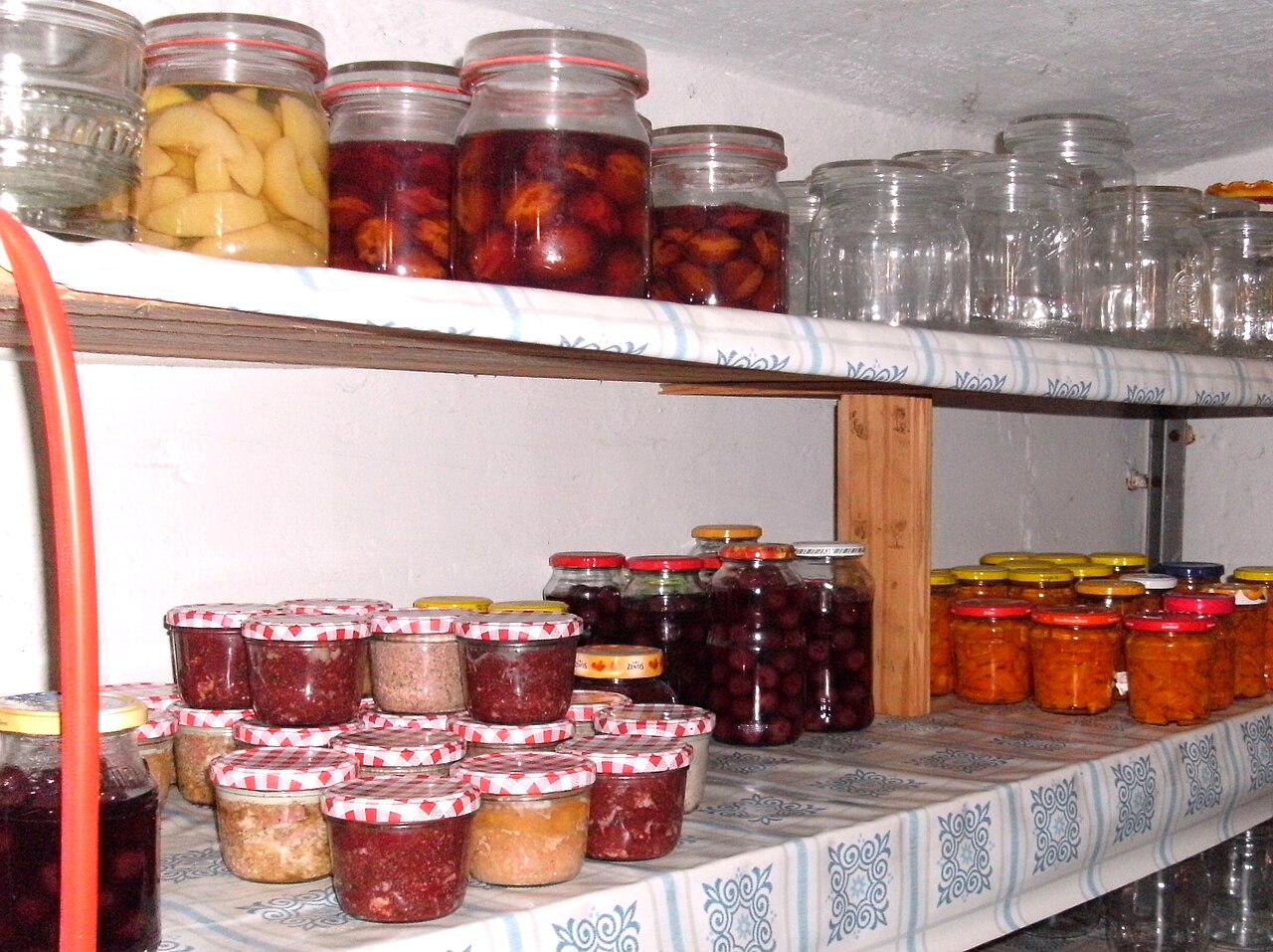
Buying from bulk bins with your own cloth bags and glass jars eliminates the single largest category of household plastic — the wrapper. It also tends to be cheaper, because you are not paying for packaging. Loose produce, bread in paper, cheese at the counter instead of the shrink-wrapped block: each is a small, repeatable choice.
When you do need containers, glass and stainless steel do the job and last for decades; a good glass storage set replaces a pile of disposable bags you will never buy again. And the cleaning side matters too — the tablet-based refills that dissolve in your own bottle remove the plastic bottle from your bathroom cabinet entirely.
The Bathroom and the Cupboard
Shampoo bars, soap bars, and toothpaste tablets replace the most plastic-heavy aisle in the house with packaging-free versions — and they dovetail with the ingredient discipline in natural body care. A steel razor and a wooden toothbrush are the classics for a reason: they work, and they never wear out the way disposables do.
When you need to buy something new, choose stores that have already done the filtering. Curated plastic-free marketplaces where essentially everything is refillable are a good starting point when you are not sure what the alternatives are; shops that have spent years testing materials for safety are the ones to trust when the item touches what you eat; and low-waste essentials with genuinely simple design matter more than it sounds — the objects you actually like are the ones that get reused.
Beyond the Big Three
Once the kitchen, bathroom, and cleaning swaps are in place, the remaining waste falls into a smaller set of categories with equally simple answers. Mending and secondhand are the forgotten pillars of zero waste: a shirt repaired once lasts twice as long, and the most sustainable garment is the one that already exists — the ethical clothing guide makes the connection explicit. The sharpest innovation in reuse is the Library of Things — a lending library for drills, carpet cleaners, and tents, so a neighbourhood owns one of everything instead of every household owning ten things it uses twice a year.
Carry the daily substitutes instead of accepting the single-use ones: a steel water bottle replaces a thousand plastic ones (and the water inside is what you actually want), a cloth bag lives in every coat pocket, and a set of metal cutlery in the glovebox ends the takeaway fork pile. For households with children, cloth wipes and reusable food pouches are the two biggest single-family wins available — the diaper aisle and the snack pouch drawer are where the plastic really accumulates.
The Honest Math
Zero waste is a direction, not a finish line. A single household reducing its plastic by half does more than a perfect household that gives up in week three. The research on habit change is consistent: small, repeatable swaps survive; heroic overhauls do not. So refuse what you do not need, reduce what you do, reuse what you have — and let recycling be the last resort it is meant to be, not the first.
The goal is a smaller pile, and a smaller pile next month than this one.
Integration
This week, do the audit. Next week, replace your household's top three offenders — typically bulk-bin produce bags, the bottle of water you buy outside, and the bathroom containers that now have bar-based alternatives. Run that for a month before changing anything else. A home that is genuinely clean is not the one with the most recycling bins; it is the one that never needed them.
Audited Baselines
Trustworthy, clinical tools and platforms audited to support an intentional practice.