Understanding Food Quality
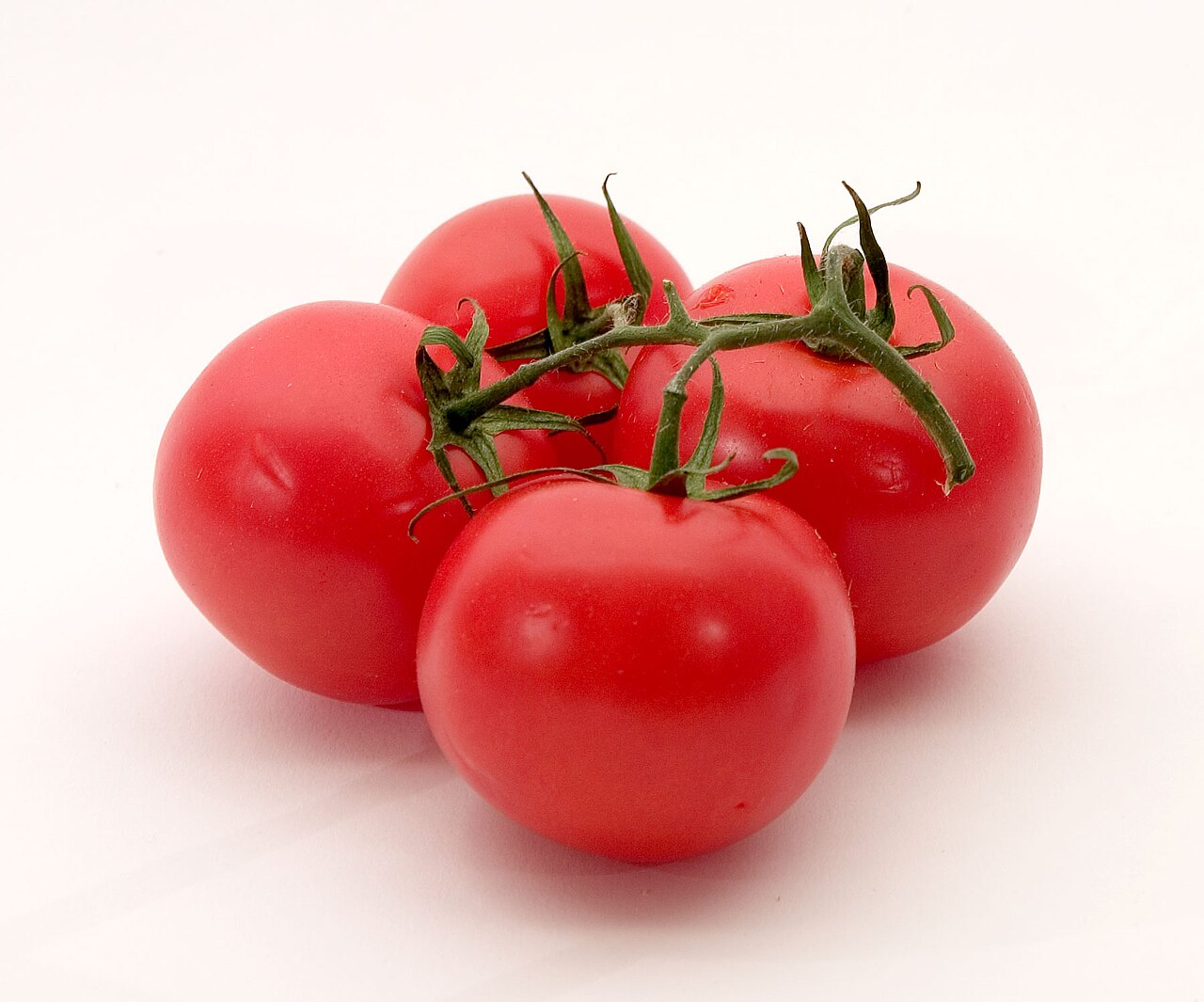
Organic, regenerative, and non-GMO — how to read labels and choose wisely.
Most nutrition conversation is about what you eat — the balance of grains, legumes, and vegetables that makes up a healthy diet. Far less attention goes to how that food was grown, yet it is the deeper variable. Two bowls of rice can differ dramatically in the minerals they contain, the residues they carry, and the ecological systems that produced them. A calorie is not a calorie, and a carrot is not a carrot.
In the satvic framework, quality begins long before the plate — it begins in the soil. Food that grows in living, mineral-rich soil is measurably more nutritious; food grown in depleted, chemically treated soil is emptier, whatever its appearance. Choosing well is not about chasing every label; it is about learning to read the ones that mean something.
The tradition has a word for this: prana, the life force in food — strongest in what was recently alive, grown in living earth, and eaten close to harvest. A satvic meal is chosen for the prana it carries as much as for its nutrients. Modern measurement agrees more than you might expect: the emerging science of bionutrient density shows that the same crop can vary enormously in nutritional value depending on the soil it grew in — the modern evidence for the ancient claim that food is only as alive as the ground it came from.
The Soil–Food–You Connection
Healthy soil is alive: a single teaspoon of healthy soil contains more microorganisms than there are people on Earth, and those organisms govern how plants take up minerals. Regenerative agriculture — farming that builds soil instead of depleting it, through cover crops, composting, rotation, and minimal disturbance — restores that living system. The Rodale Institute, which has run the longest continuous comparison of organic and conventional farming in North America, publishes decades of evidence that well-managed organic and regenerative systems match or exceed conventional yields while building soil carbon and mineral density. Their research is the most credible single source for understanding why "grown in good soil" is a nutritional claim, not a marketing slogan.
The emerging science behind this is called bionutrient density: the idea that a crop's nutritional value is a function of the soil it grew in, not just its genetics. The Bionutrient Food Association has built a citizen-science network testing produce across the country, and their data is sobering — nutrient content varies enormously between farms growing the same crop, and appearance is a poor guide to nutrient density. The practical takeaway is liberating: you do not need to memorize nutrient tables, you need to know your grower.
Reading Labels Honestly
There are many labels out there, and some are worth far more than others.
"Natural" means almost nothing legally — it is a marketing term with no USDA definition governing its use. Treat it as noise.
USDA Organic is a certified standard: no synthetic pesticides, no GMOs, no sewage sludge, and documented soil practices. It is the baseline label that means what it says, though critics note the certification can be satisfied by large operations that follow the letter more than the spirit.
Non-GMO Project Verified certifies a single attribute — the absence of genetically engineered ingredients. Useful, but it says nothing about pesticides or soil health. Know that organic implies non-GMO, so this label matters mainly for products that are not organic.
Regenerative organic certification (developed with Rodale's leadership) goes beyond organic to require measurable soil-health practices, fair labor, and animal welfare — the full picture. For a certification that enforces the farming practices themselves, look to the Real Organic Project, an add-on label that excludes hydroponics and factory-farm practices and requires genuine soil-grown production. Its farmers are inspected annually against a high bar, and its grower map is a practical tool for finding real food near you.
Buying With Your Values
You do not need an all-organic pantry to eat well. Prioritize organic for the foods you eat with their skin — berries, leafy greens, and thin-skinned produce — where residues concentrate. For everything else, a simple hierarchy helps: local and in-season from a known grower, then certified organic, then conventional. Farmers' markets and CSAs put you face to face with the person who grew your food, which is the most reliable quality signal of all.
The philosophy underneath all of it has a history: the Slow Food movement has spent four decades defending regional food and agricultural biodiversity against industrial uniformity — its profile covers the story, the projects, and the honest tensions. Frozen vegetables, picked and frozen at peak, routinely test as nutritious as fresh, so never skip them on quality grounds.
Integration: One Staple at a Time
Choose a single staple you eat most weeks — oats, apples, spinach, or rice — and upgrade its source this month. If you live in the US or Canada, the Real Organic Project's map and the Bionutrient Food Association's research can point you to growers worth knowing; in Europe, look for your national organic certification's stricter producers. Pair the change with the simple cooking habits from Cooking for Clarity: Simple Satvic Recipes, and the foundation laid in Plant-Based Nutrition: The Foundation gains a new dimension: the same food, grown and chosen with more care, is simply more nourishing. Quality is the quietest upgrade in your diet, and it requires no willpower at all.
Audited Baselines
Trustworthy, clinical tools and platforms audited to support an intentional practice.