Cooking for Clarity: Simple Satvic Recipes
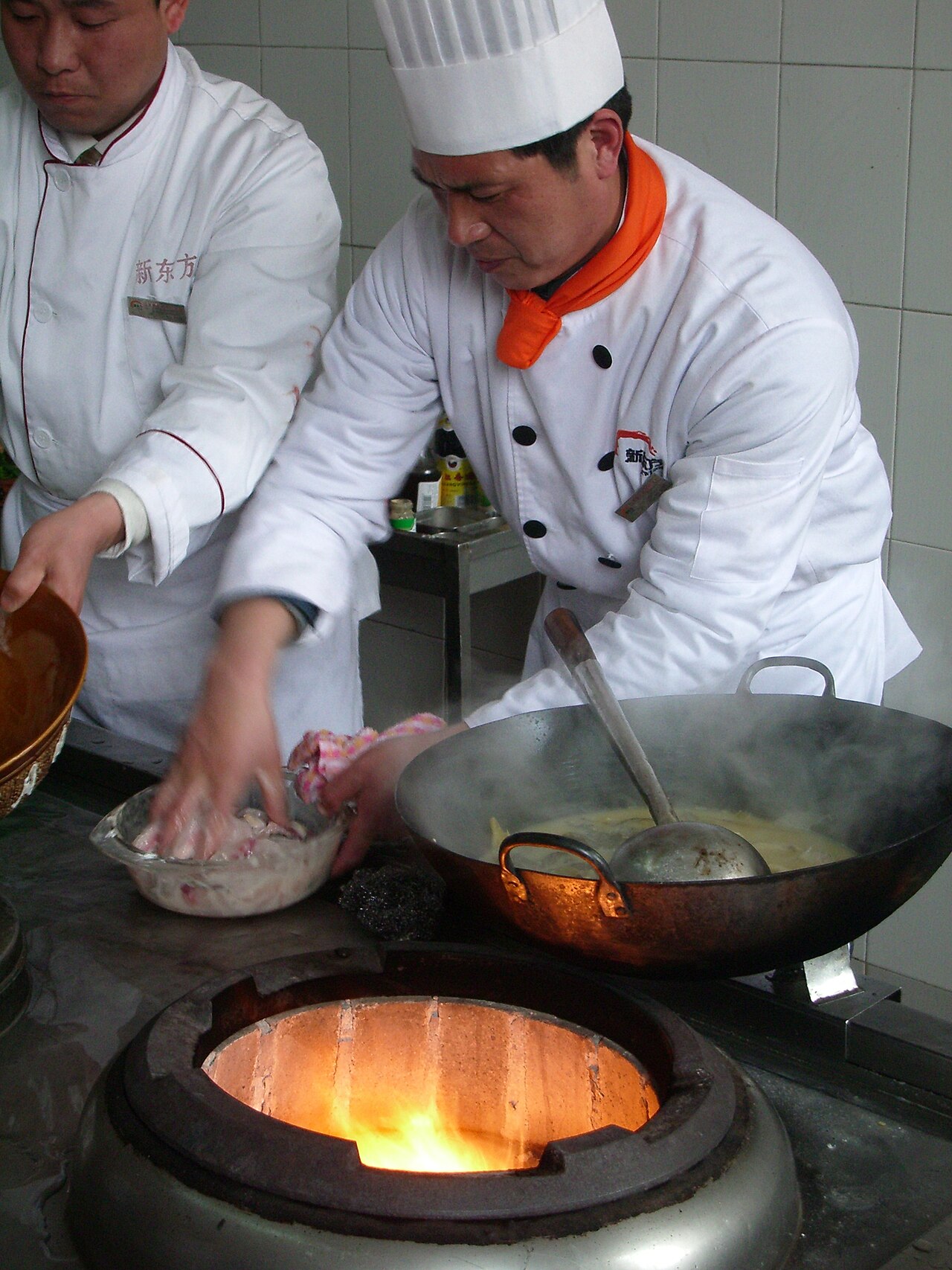
Everyday meals that reduce Tamas and support mental brightness.
The classical satvic texts treat food as the most direct input to the mind. What you eat does not merely fuel your body — it shapes the texture of your attention, your patience, and your energy through the afternoon. This is why the tradition classifies food by its effect on consciousness: satvic food is fresh, light, and nourishing and leaves the mind clear; rajasic food is over-stimulating and agitates; tamasic food is stale, heavy, or over-processed and clouds it. The modern equivalents of those categories are easy to spot — a bowl of warm whole grains versus a plate of reheated convenience food — and the difference between them is mostly decided in one place: your own kitchen.
Cooking at home is the highest-impact act in a satvic diet. It is the only way to know exactly what goes into every meal — and it quietly restores a standard that packaged food, restaurant kitchens, and delivery apps erode without your noticing.
What Makes a Meal Satvic
A satvic meal is not elaborate. It is built from whole plant ingredients — grains, legumes, vegetables, fruit, nuts, and seeds — cooked simply, eaten warm, and prepared recently rather than days ago. A handful of gentle spices (turmeric, cumin, coriander, ginger, fennel) aid digestion without pushing the nervous system into overdrive. It is the opposite of deep-fried, heavily salted, or sauce-laden food, and it is almost never food that has been sitting in a wrapper.
The second, often-overlooked ingredient is the cook's own state. Food prepared hurriedly, in anger, or while scrolling is different in kind from food prepared with attention. This is not mysticism; it is simply the observation that the person cooking — their calm or their rush — is part of the meal. Let cooking be a small meditation rather than a chore to survive.
The Satvic Kitchen Basics
Keep your pantry stocked with the same ten staples and a thirty-minute meal is always possible, no matter how tired the day has left you:
- Grains: brown rice, millet, oats, quinoa
- Legumes: mung dal, red lentils, chickpeas
- Vegetables: whatever is in season, plus root vegetables for grounding meals
- Fruit: seasonal and whole, not juice
- Nuts and seeds: almonds, walnuts, pumpkin seeds, sesame
- Spices: turmeric, cumin, coriander, ginger, fennel, black pepper
- Fats: cold-pressed oil or ghee, in moderation
- Herbs: fresh coriander, mint, basil
With these in the cupboard, a warm bowl of dal with rice, a vegetable stir-fry, or a thick soup is never more than one pot away. The goal is not a repertoire of fifty recipes — it is a small, repeatable set of meals that reliably leave you light and clear.
Recipes That Rebuild You
When you want variety or a guiding hand, four resources stand out for their fidelity to simple, whole-food cooking:
The most on-topic resource of all is the Satvic Food Book from the Satvic Movement — the Indian wellness community, led by Subah and Harshvardhan Saraf, that has done more than any other group to popularise the word "satvic" around the world. The book's recipes are whole-food and plant-based, largely oil-free and sugar-free, and built from the same kitchen basics this article recommends — fruit, vegetables, grains, legumes, nuts, and seeds, cooked simply and eaten fresh. It is the movement's flagship project, sold alongside its free recipe library and its guided challenges, and for anyone actually cooking satvic food at home it is a natural starting point. Follow it for the food; treat the movement's wider health claims with the same evidence-based care you would apply to any source.
Minimalist Baker is built on a promise that fits satvic cooking perfectly: every recipe uses ten ingredients or fewer, one bowl, or thirty minutes. Its "10 ingredients or less" filter makes it effortless to find a clean, quick dinner — no obscure pantry items, no long technique sections. It is the best starting point for anyone who associates "healthy cooking" with complexity.
Oh She Glows is an award-winning plant-based blog and cookbook by Angela Liddon, built on whole-food ingredients with an emphasis on meals that feel nourishing rather than restrictive. Its energy bites, hearty salads, and warming bowls are the kind of food that converts skeptics, and the photography doubles as a gentle argument that plant-based cooking is abundant, not austere.
Pick Up Limes pairs simple recipes with real nutrition guidance — meal prep, balanced plate templates, and short videos that teach technique without jargon. Its "meal prep" section is ideal for the weekly rhythm a satvic kitchen thrives on: cook once, eat well for several days without sacrificing freshness.
A Simple Morning to Anchor
If you adopt one satvic habit, make it a warm, cooked breakfast. A bowl of oats or millet porridge with fruit, seeds, and a pinch of cinnamon beats any cold, processed cereal — and it sets the tone for the whole day's food choices.
For a deeper reset, learn the classic kitchari — mung dal and rice cooked with turmeric, cumin, ginger, and ghee. Ayurveda treats it as a gently cleansing meal; in practical terms it is a cheap, digestible, and genuinely calming one-pot dish that makes an excellent anchor for a light day. This sits naturally on top of the whole-food foundations covered in Plant-Based Nutrition: The Foundation, and the fresher your ingredients, the better every recipe lands — a theme explored in Understanding Food Quality.
Integration: Start with One Meal
Do not redesign your entire diet on day one.
- Choose one meal — breakfast is the easiest — and make it warm, simple, and plant-based every day for two weeks.
- Stock the ten staples.
- Pick one recipe from Pick Up Limes or Minimalist Baker this week and cook it once, slowly, with attention.
- Notice how the meal makes you feel an hour after eating: that feedback loop is the entire method.
Cooking for clarity is not about perfection; it is about giving your body food that leaves your mind as bright as the meal itself.
Audited Baselines
Trustworthy, clinical tools and platforms audited to support an intentional practice.
The Satvic Food Book
The Satvic Movement's flagship recipe book — simple, plant-based, oil-free and sugar-free meals.
Minimalist Baker
Simple, delicious recipes requiring 10 ingredients or less.
Oh She Glows
Award-winning plant-based recipe blog and cookbook.
Pick Up Limes
Nutrition and lifestyle platform with wholesome, easy-to-follow recipes.