Creating a Satvic Home
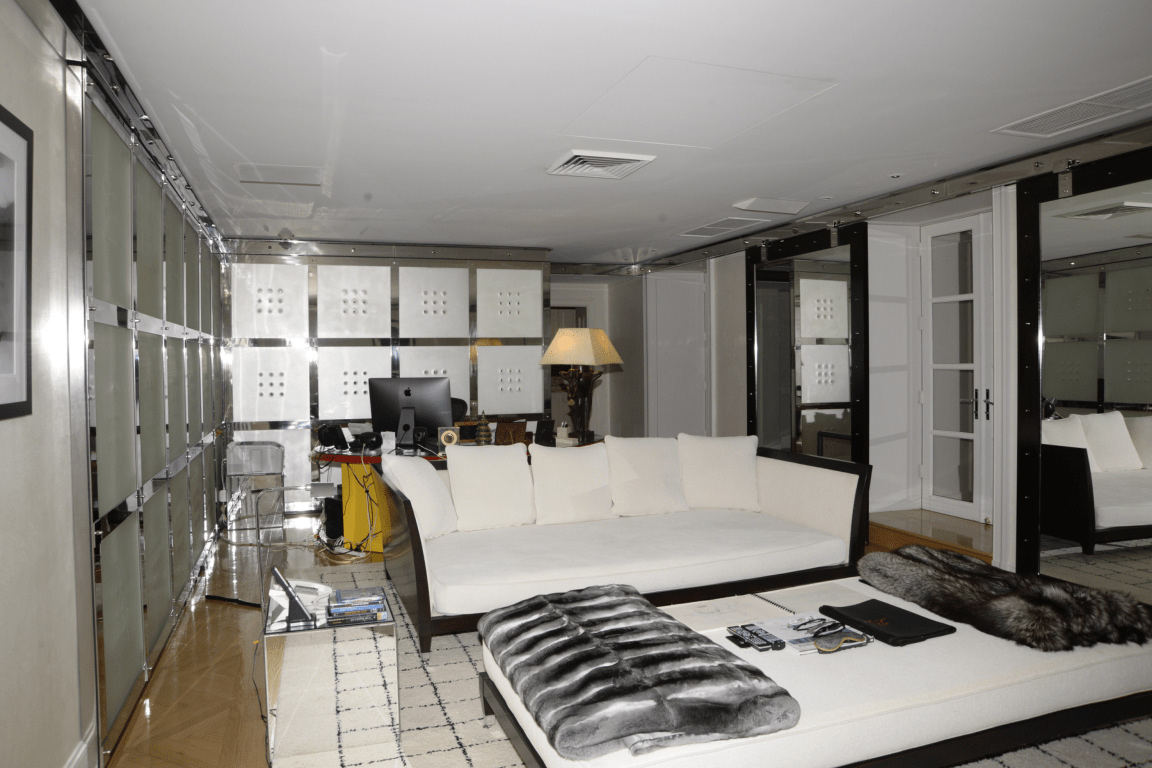
Non-toxic materials, clean air, and intentional space — how the room you live in shapes the mind you bring to the world.
The average adult spends roughly ninety percent of life indoors, most of it in one building. That building is not scenery — it is the environment your nervous system inhabits, and it is already teaching you something every hour you spend in it. Satvic living takes what you put in your body seriously; the home is the same care applied to what surrounds it. A home that breathes, stays quiet, and keeps you warm without shouting for your attention is a home that keeps you calm without your noticing.
This is shaucha — purity of the living space — which the tradition treated not as housekeeping but as one of the foundations of a clear mind. A room and a mind are not separate; the space you inhabit shapes the state you inhabit, which is why the classical texts paired outer cleanliness with inner clarity. The modern version of the teaching is environmental psychology: light, air, order, and quiet are the inputs your nervous system processes every hour, whether you notice them or not.
Materials That Breathe
Conventional interior finishes are not designed for you. Paints, glues, and engineered boards off-gas volatile organic compounds for months or years — the source of that "new house" smell that is in fact a chemical warning. Natural materials behave differently.
Lime and clay plasters are breathable: they regulate indoor humidity by absorbing and releasing moisture, resist mold, and contain nothing to off-gas in the first place. Lime plaster has a long, well-documented history in European building, and specialty plaster makers now offer beautiful modern versions of it, with earth-based finishes in the same spirit for contemporary interiors. For everything else — flooring, insulation, paints, adhesives — a handful of retailers screen their entire catalogues for toxicity, so you can shop by one standard instead of by label claims.
If you want a single rigorous benchmark, the International Living Future Institute's Living Building Challenge publishes the Red List: the worst chemicals banned from its certified buildings. Any material you are considering — paint, sealant, furniture foam — can be checked against that list in seconds. It is the closest thing we have to a working definition of "clean."
Air, Light, and the Unseen Clock
The air you sleep in is the air you recover in. Opening the windows for ten minutes twice a day — even in winter — flushes the CO₂ and accumulated off-gassing that a sealed home collects overnight; it is the cheapest air purifier ever manufactured. Light matters just as much: the home is where your circadian rhythm is set and reset, so favor warm, dimmable lamps in the evening and let morning daylight flood in. If you are renovating, choose windows that maximize daylight; if you are not, remove what blocks it.
Clutter Is Cognitive Load
Every object in a room is a small claim on your attention. Decades of environmental-psychology research agree: visual clutter measurably raises stress and reduces focus, even when you believe you have tuned it out. This is not minimalism as an aesthetic — it is minimalism as neurology. The Minimalists have built the most accessible body of practical work on living with less, and their 30-day decluttering challenge is a gentle on-ramp.
For some, the honest endpoint is simply less square footage: the tiny house movement has normalised the idea that a well-designed twenty-five square metres can hold more peace than a cluttered two hundred. Start smaller: one clear surface. A cleared kitchen counter or desk changes the whole feel of a room, because the eye needs somewhere to rest.
A Corner for the Mind
A satvic home contains one space that belongs to stillness. It does not need to be a room — a corner of the bedroom, a cushion, a small shelf — but it needs to be a place where nothing is asked of you. This is where the meditation practice happens, and its quiet presence reminds the household that rest is a value, not an absence of productivity.
The Honest Word on EMFs
Electromagnetic exposure is a genuine area of study, and the evidence base is still thin enough that honest guides should not overclaim. What can be said simply: keeping the bedroom a low-stimulus zone — router off at night, phone charging outside the room, clock radios banished — costs nothing, and it is the same discipline you already apply at the level of the body in natural body care. The International Institute for Building Biology & Ecology is the most thorough resource if you want to go deeper; its practitioners consult on low-EMF and low-toxicity building.
Integration
Pick one room and give it one weekend. Clear the surfaces, open the windows, replace the multipurpose cleaner with the eco-friendly kit, switch the evening lighting to something warm, and set up a corner that belongs to stillness. Then live in that room for a month before touching the next one. The home is not decorated in a weekend; it is slowly made honest — room by room, the way clarity is made.
Audited Baselines
Trustworthy, clinical tools and platforms audited to support an intentional practice.