Beginning a Meditation Practice
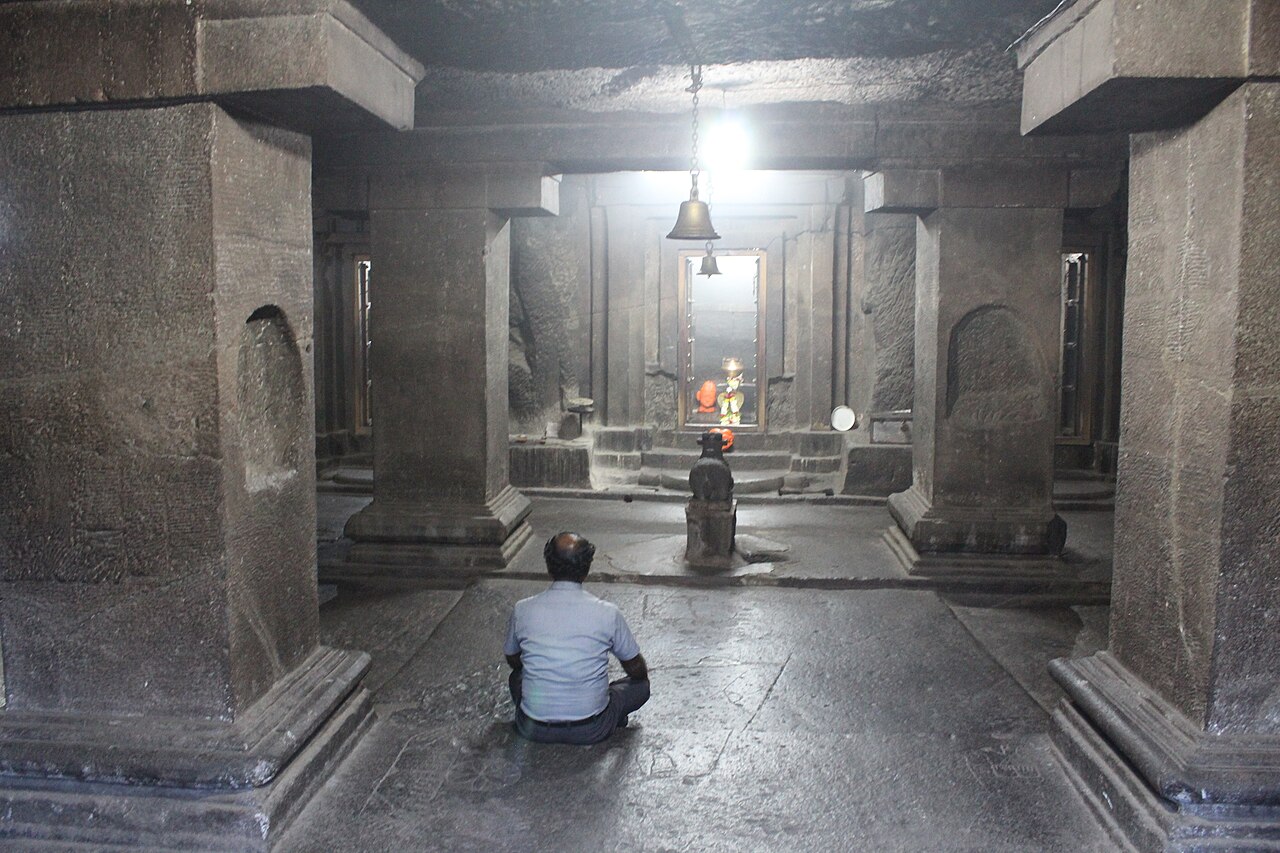
A gentle, practical on-ramp to daily meditation — five minutes a day, no cult, no guilt, no special equipment.
You carry one instrument from your first waking moment to your last: the mind. It reads every email, weighs every word, and decides how you feel about your breakfast, your boss, and your future. Most people never practice using it at all — they simply inherit whatever state it happens to be in. Meditation is the oldest and most direct way to change that — not a belief system and not a special talent, but a trainable skill: the skill of aiming your attention and keeping it aimed.
The tradition called this dhyana — the settled mind that follows once the senses stop dragging it around — and it was never treated as a mystical luxury. It was hygiene for the mind, as ordinary and necessary as cleaning the body: the state where sattva, clarity, can grow, instead of being drowned by the noise of rajas and the fog of tamas. Modern neuroscience describes the same training from its own side: attention is a muscle, and the practice of noticing and returning measurably strengthens the circuits that keep the mind steady.
If you have tried before and quit, you are not the problem. The problem is almost always the framing: meditation sold as a thirty-minute, eyes-closed, cross-legged pursuit of inner silence. That version is for people who already have a practice. For everyone else there is a simpler, better starting point — five minutes a day, done imperfectly, done daily.
What Meditation Actually Is
Strip away the candles and the cushions and meditation reduces to one movement: notice where your attention is, and bring it back. That's it. The breath is just a convenient anchor — a rhythm that is always available, always neutral, and always happening now.
In a five-minute sit you will make this movement dozens of times. You will plan tomorrow's meeting, replay an old argument, feel an itch — and only after several seconds realize you are no longer breathing with awareness. Then you bring it back.
Most beginners believe this wandering means they are failing. It is the opposite: each time you notice and return, you have completed one rep of the exercise. The wandering is the practice.
The Five-Minute Start
Find one time and one place. The same chair, the same hour, every day. Habit is built by context — a specific chair at a specific time does half the work before you even sit down.
- Sit upright, feet on the floor or legs crossed, spine tall but not rigid.
- Close your eyes or keep them softly lowered.
- Take three full breaths, then settle into an ordinary rhythm.
- Anchor on the sensation of breath at the nostrils, or the rising and falling of the belly.
- Count each exhale, one to ten; when you lose count, start again.
That counting loop is the entire beginner protocol — concrete, simple, and enough.
Five minutes is not a compromise; it is a foundation. The research on mindfulness is unambiguous that consistent short practice beats heroic occasional practice. A daily five minutes for two weeks will teach you more about your own mind than a two-hour retreat ever will, because it teaches the relationship — not the show.
Where to Get Guidance
A guided practice removes the two hardest early obstacles: figuring out what to do, and judging yourself while doing it. Guidance is plentiful and mostly free: subscription apps with thoughtfully produced courses (most offer a free trial period), apps with the world's largest libraries of guided sessions — from three-minute resets to hour-long sits, invaluable for matching practice length to your day — and completely free, nonprofit apps with gentle, science-informed curricula: no paywall, no upsell, ever. The university world also offers high-quality guidance at no cost: the UCLA Mindful Awareness Research Center publishes free guided meditations that are widely used in clinical research, and free online courses such as Palouse Mindfulness walk through a complete mindfulness-based program. When you are ready for more than an app, the Vipassana movement offers the most demanding formal framework this tradition has — donation-funded ten-day silent courses in more than ninety countries, with the honest caveats covered in its profile.
What You'll Meet Along the Way
Within the first week you will meet the three classic visitors: restlessness, sleepiness, and boredom. Each is workable.
Restlessness is just energy looking for a familiar escape — let it move through you without following it. Sleepiness means you are overtired or over-caffeinated at your chosen hour; move the practice earlier. Boredom is the mind complaining that nothing dramatic is happening — which is exactly the point. Sitting with these states is itself the skill, and it pays off directly in emotional resilience, because the capacity to stay present with discomfort is trained in the same muscle that meditation builds.
Two settings help. Practice in the morning, once your sleep and circadian rhythm have been reset by daylight, and the mind is at its quietest. And remember that this practice is thousands of years old — the wisdom traditions refined it long before apps existed. The apps are scaffolding, not the building.
Integration
For the next fourteen days, sit for five minutes every morning at the same time, in the same chair, and count ten breaths — starting again whenever you lose count. Tie it to an existing habit so you cannot forget it: the moment the coffee is brewing, or immediately after brushing your teeth. At day fourteen, if you have missed fewer than three days, extend to ten minutes — but only if you genuinely want to. The goal is a practice that survives your life, not a streak that resents it.
Audited Baselines
Trustworthy, clinical tools and platforms audited to support an intentional practice.
UCLA Mindful Awareness Research Center
Free guided meditations from the university center whose programs are widely used in clinical research.
Palouse Mindfulness
A complete, free online course in mindfulness-based stress reduction, no app or account needed.
Tara Brach
Free guided meditations and talks from a longtime teacher, offered without charge.