Sleep & Circadian Hygiene
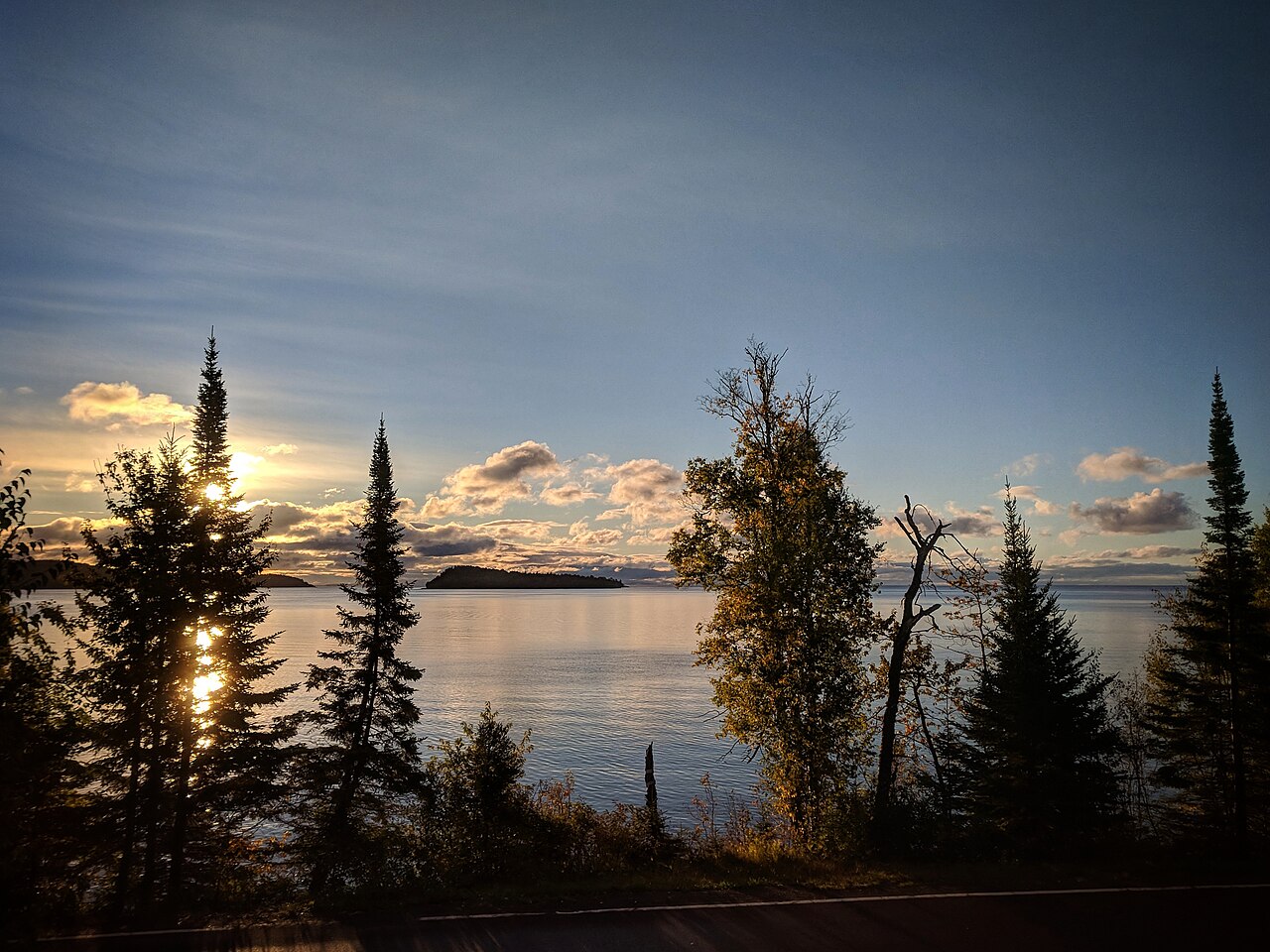
Aligning with natural light, reducing blue-light exposure, and sleep-supportive tools: a practical protocol for deep, restorative sleep.
Sleep is the body's nightly maintenance shift: memory consolidation, cellular repair, hormonal regulation, and emotional processing all happen while you are unconscious. Yet for most people, sleep is treated as whatever is left over after the day is done. In the satvic framework, sleep is not a luxury — it is a biological input of the highest order, and the single most powerful lever you control. Nothing you do in the waking day pays off better than protecting the eight hours that prepare it.
The Clock Beneath Your Skin
Every cell in your body runs on a roughly 24-hour cycle, and the master clock that synchronizes them sits in the brain's suprachiasmatic nucleus. Its most powerful time signal is light — specifically, the contrast between bright daylight and darkness at night. When morning light reaches your eyes, your clock is told it is daytime: cortisol rises, alertness builds, and the melatonin "night signal" is suppressed. When light falls away in the evening, melatonin rises and your body begins preparing for sleep.
Modern life quietly breaks this system. Indoor lighting is a thousand times dimmer than daylight, so the brain never fully registers daytime; screens emit concentrated blue light in the evening, so the brain never fully registers nighttime. The result is a clock that drifts late — falling asleep later, waking groggier, and sleeping less deeply than the biology intends.
Light: The First Lever
Morning. Get 10–30 minutes of outdoor daylight within the first hour after waking. Even on an overcast day, outdoor light is dramatically brighter than any indoor environment, and this single habit is the strongest anchor for your entire circadian rhythm. Make it part of your morning routine — a walk, or simply coffee on the doorstep. The early-rising tradition popularised by the Satvic Movement — whose 5 AM Challenge and "victory hour" teaching have made pre-dawn waking aspirational for millions — works for exactly this biological reason: the earlier you wake, the earlier your clock is ready for light, and the earlier your evening wind-down naturally begins.
Evening. Begin dimming the environment two hours before bed. Lower overhead lights, switch to warm, low-level lamps, and put screens away or enable their night modes. If you must work on a screen late, blue-light blocking eyewear is a genuinely effective intervention: look for precision filters designed for day and night use. These tools do not replace good habits — they extend them into the hours when your willpower is at its lowest.
Beyond your own walls, the fight for darkness is organised: the International Dark-Sky Association has spent decades pushing back against streetlights, billboards, and glare that suppress melatonin for entire neighbourhoods, and its Dark Sky Places programme certifies and protects the darkest places left. Your blackout curtains are part of the same campaign.
The Evening Wind-Down Protocol
A consistent pre-sleep routine signals the brain that the day is over. The most effective protocol is simple and repeatable:
- Set a fixed bedtime and wake time — including weekends. Irregularity is the single most common sleep destroyer; the clock rewards consistency far more than duration.
- Dim lights at a set hour. Decide on a "lights-down" time and treat it as a hard appointment.
- Drop the temperature. The body sleeps best when the bedroom is cool (roughly 16–19 °C). A cool room plus warm blankets is the biological ideal.
- Ban screens from the last hour. Replace them with reading, stretching, or quiet conversation. If screens are unavoidable, use a blue-light filter and keep brightness low. Screens in the last hour are also one of the most common leaks in a digital minimalism practice, so the two habits reinforce each other.
- Keep the bedroom for sleep only. Work, eating, and scrolling in bed teach the brain that the bed is a place of alertness.
Food, Caffeine, and the Clock
What you consume also sets the clock. Caffeine has a half-life of roughly five hours, which means a 4 p.m. coffee is still half-present at 9 p.m.; cutting caffeine after noon is the single dietary change with the most reliable effect on sleep onset. Alcohol fragments the second half of the night even when it helps you fall asleep, trading deep sleep for lighter, more broken stages — the worst trade in sleep hygiene. And meal timing matters more than most people realize: a large meal close to bed raises core temperature and forces digestion to compete with repair. The body wants food earlier and lighter in the evening, which is why the satvic habit of the big meal at midday is also the sleep-science habit.
Know Your Baseline
Sleep is individual, and subjective memory of it is unreliable. A simple wearable removes the guesswork: sleep-tracking rings and watches measure sleep stages, heart rate, and heart-rate variability through the night, giving you a daily readiness score and honest feedback on whether last night's choices worked. Used as a feedback loop rather than a score to chase, they turn sleep from a vague aspiration into a measurable practice — and temperature sensing can even flag when you are running too hot to sleep well.
Integration
Choose one change and make it non-negotiable for two weeks before adding another. The highest-impact starting point is the morning daylight walk — it is free, immediate, and compounds into earlier, deeper sleep within days. From there, add the evening dim-down, then the screen ban.
Sleep hygiene is not a list of rules to obey perfectly; it is a gentle re-alignment with the sun your body already knows how to follow. Give it two weeks, and you will feel the difference in every hour you are awake.
Audited Baselines
Trustworthy, clinical tools and platforms audited to support an intentional practice.
National Sleep Foundation
Nonprofit authority on sleep science, hygiene, and disorders — evidence-based and plain-spoken.
CDC — Sleep and Sleep Disorders
The CDC's public-health guidance on sleep duration, hygiene, and disorders.
International Dark-Sky Association
The organisation fighting light pollution — and certifying Dark Sky Places worldwide.