Plant‑Based Nutrition: The Foundation
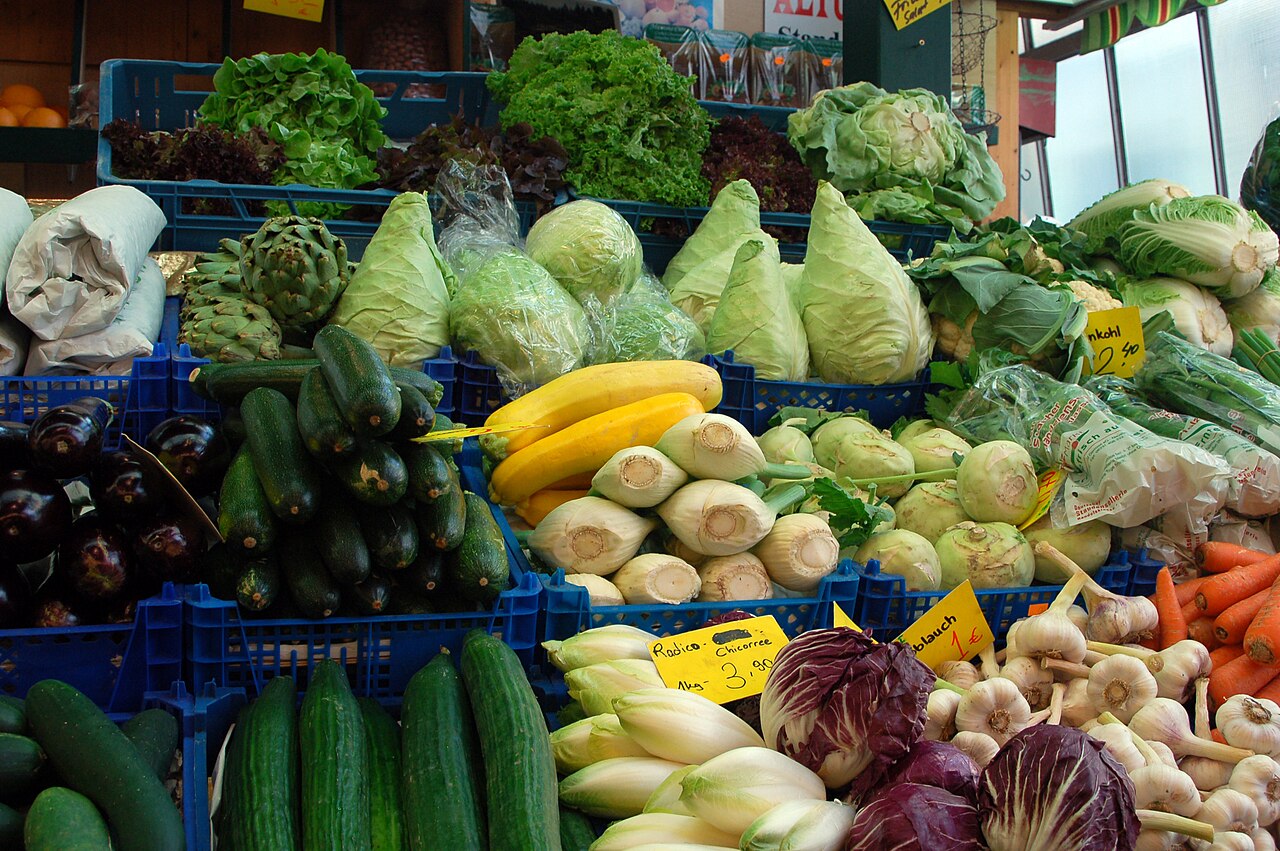
Why whole‑food, plant‑based eating is the bedrock of satvic health, and which resources give you the clearest, evidence‑based guidance.
What we put on our plate each day is the single most immediate way we interact with the material world. It determines our energy levels, the clarity of our thoughts, and the quality of our sleep. The guiding question is simple: does a food leave you lighter and clearer, or heavy and foggy?
In the satvic framework, food is not just fuel; it is a direct input into the nervous system. A diet built on fresh, minimally processed plant foods reduces systemic inflammation, supports a calm mind, and sustains the energy needed for focused work and inner practice. The shift toward plant-based eating has moved from niche to mainstream, but the sheer volume of information can be overwhelming. Here, we cut through the noise and recommend three resources that offer rigorous, accessible, and trustworthy guidance.
The Evidence Base
NutritionFacts.org is the gold standard for evidence-based nutrition. Run by Dr. Michael Greger and a team of researchers, the site publishes short, digestible videos and articles that summarise the latest peer-reviewed studies.
Every claim is linked to the original research, so you never have to wonder whether a recommendation is opinion or science. It is also refreshingly independent — funded by readers and free of food-industry sponsorship, which matters when the subject is what to put in your body.
If you want to understand how a whole-food, plant-based diet affects heart health, longevity, or immune function, start here. The site's "Daily Dozen" checklist is a simple, actionable tool for building a nutritionally complete day.
Worried about protein or iron? The science is settled — a varied, whole-food plant-based diet covers both easily, and the Daily Dozen makes the vitamin and mineral picture impossible to miss. For the big picture, the "How Not to Die" series walks the leading causes of death one by one and shows the dietary evidence for each: confronting, but never alarmist. No question is too basic — the site answers everything from meal timing to supplements with the same citations.
Two nutrients deserve special mention because the internet is loudest about them. Vitamin B12 is the one supplement every plant-based eater — vegan or not — should take, because it comes from soil bacteria and animal products, not from plants; a cheap weekly dose closes the only genuine gap. Omega-3s are abundant in flax, chia, and walnuts, which convert to the forms your brain uses; the conversion is modest, so a spoonful of ground flaxseed a day is a sensible habit rather than an obsession. Both are examples of the site's real value: not telling you what to fear, but showing you exactly what a complete diet needs and how to get it from whole food.
Practical Meal Planning
Forks Over Knives bridges the gap between science and your kitchen. Born from the influential documentary of the same name, the platform offers hundreds of plant-based recipes, meal plans, and cooking courses. All recipes are free of oil, refined sugar, and heavily processed ingredients — they align naturally with the satvic emphasis on purity and lightness.
The beginner-friendly approach means you don't need to be a chef to prepare nourishing, delicious meals. Most recipes take under thirty minutes and use ingredients any supermarket carries — beans, grains, vegetables, spices — so the barrier to entry is far lower than the diet's reputation suggests. Their meal planner tool helps you transition smoothly, whether you're going fully plant-based or just adding more whole foods to your routine.
Ethics and Community
The Vegan Society — the organisation that coined the term "vegan" — provides a broader perspective on plant-based living. Beyond nutrition, they cover ethical fashion, cruelty-free cosmetics, and the environmental impact of our choices.
Their resources are especially helpful if your motivation includes animal welfare or sustainability. The Society also certifies products with the Vegan Trademark, giving you a reliable way to identify genuinely plant-based items when shopping. The Society's history is itself instructive: founded in 1944, it has spent decades refining what an ethical plant-based life looks like in practice, and its guides answer the questions most beginners are too shy to ask — about protein, dining out, and family meals.
The Satvic Movement: Community and Accountability
No treatment of satvic food would be complete without the community that made the word famous. The Satvic Movement, founded by Subah and Harshvardhan Saraf, is one of the world's most visible satvic-lifestyle communities: a YouTube channel with millions of subscribers, a free recipe library, a flagship 7-Day Heal Yourself Challenge, a longer 21-day Ultimate Health Challenge, and a mobile app that turns the whole teaching into a guided, day-by-day program. Its core food message aligns closely with everything in this article — whole, unrefined plant foods, minimal oil and sugar, fruit and vegetables in season — and its challenges supply the one thing most diet advice lacks: accountability, community, and a concrete starting date.
The honest word: the movement presents its methods as a path to healing chronic illness, using language around detox and fasting that runs ahead of the evidence, and its more restrictive protocols are not for everyone — anyone with a health condition should involve a doctor before attempting them. Take the food and the structure; leave the medical claims to the science in NutritionFacts.org. Used that way, the movement is one of the best on-ramps to satvic eating that exists. Read the full story of the movement.
Integration: How to Begin
You don't need to overhaul your diet overnight. Choose one meal a day to make entirely plant-based — and if that feels like too much, start with breakfast, which is plant-based by default: a bowl of oats, fruit, and seeds. Use NutritionFacts.org to learn why it matters, Forks Over Knives to find recipes, and The Vegan Society to understand the wider impact.
The point is not perfection; it is momentum. Each plant-based meal is practice for the next. Within a few weeks, most people report the change has become self-sustaining: energy evens out, digestion lightens, and the heavier foods lose their pull.
That is the satvic test passing on its own. As your body adapts and your palate expands, the change becomes effortless, and food becomes a source of clarity, not heaviness.
Audited Baselines
Trustworthy, clinical tools and platforms audited to support an intentional practice.
NutritionFacts.org
Evidence‑based nutrition videos and articles.
Forks Over Knives
Plant‑based meal planner and recipe library.
The Vegan Society
Global authority on vegan living, education, and certification.
The Satvic Movement
India's best-known satvic-lifestyle community — recipes, challenges, app, and a free recipe library.