Conscious Movement
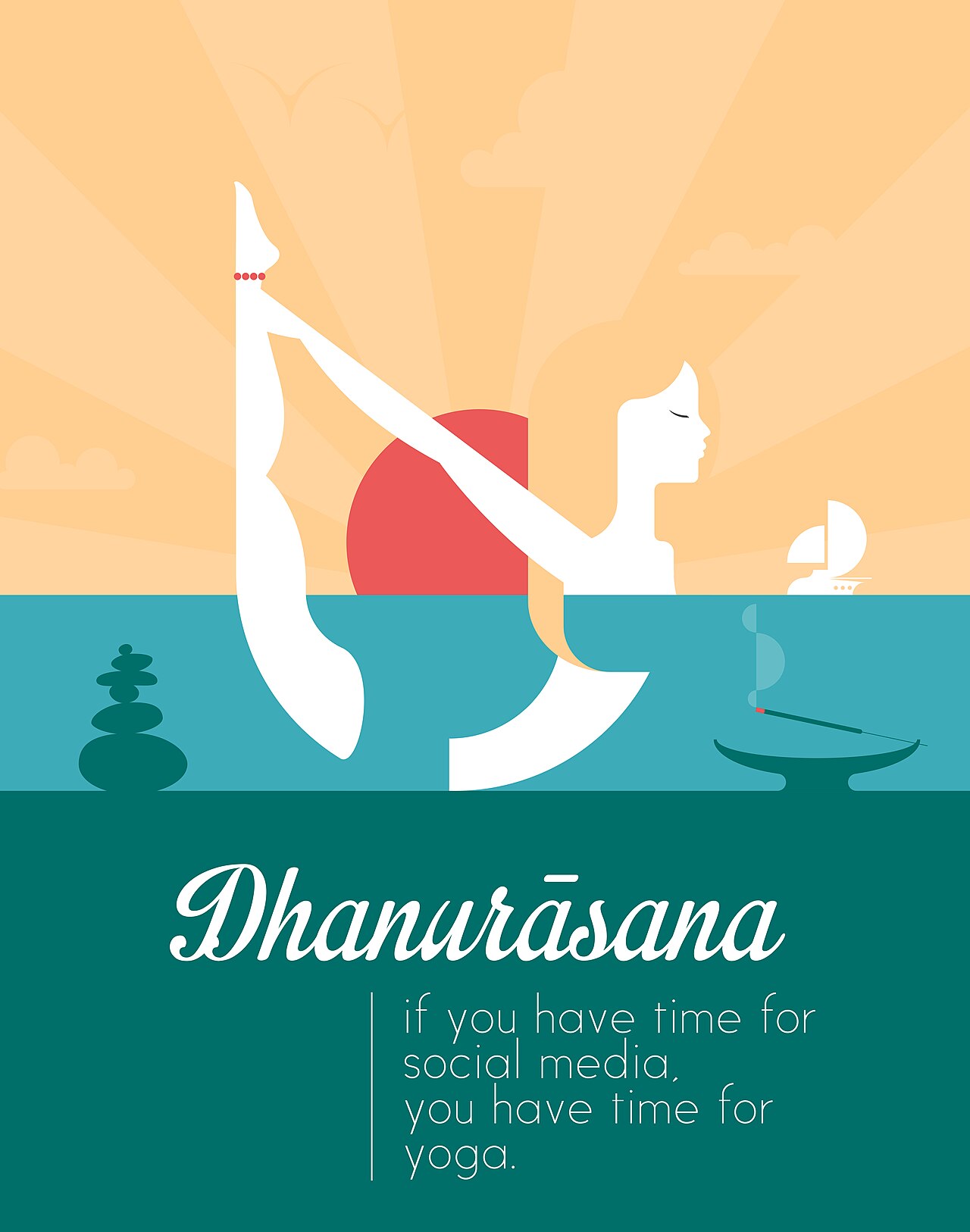
Yoga, walking, and low-impact exercise that integrates mind and body.
The body was built to move, and the nervous system treats movement as a primary signal: how you move shapes your mood, your sleep, and your ability to concentrate, hours after the movement itself ends. Yet most modern exercise culture treats the body as a machine to be punished into shape — intensity, exhaustion, and "no pain, no gain" — which is precisely the opposite of what a satvic life needs.
Conscious movement is different in kind. It is movement done with attention: deliberate, low-injury, integrative, and sustainable across decades rather than weeks. It is discipline without punishment — the steady, repeatable practice that keeps the instrument of the body clear and responsive. And the highest-value movements are also the simplest ones.
This is movement as the tradition always understood it: the circulation of prana, the life force that moves with the breath and the blood. The classical systems built entire practices — surya namaskar, the sun salutation, the morning yoga of the Satvic Movement itself — around moving the body while the breath stays unforced. Modern physiology says the same thing from its own side: breath-led, low-stress movement activates the parasympathetic nervous system and keeps the body in the training zone that builds health rather than the alarm zone that breaks it down.
Walking: The Most Underrated Practice
Before any program, there is walking — the most underrated intervention in all of health. Thirty to sixty minutes of walking a day improves cardiovascular function, blood sugar regulation, mood, and creativity, and it is essentially risk-free, free, and available to everyone. A walk after a meal measurably blunts post-meal blood sugar spikes.
Walk outdoors when you can; the combination of movement and nature exposure is more than the sum of its parts. Walking meetings, phone calls on foot, and a habitual evening stroll all count. If you do nothing else from this article, do this.
Yoga as Attunement
Yoga, in its classical sense, is not contortion — it is attention training through the body: breath, alignment, and steady practice that builds strength, flexibility, and body awareness together. It is the archetypal conscious movement, and the range of resources has never been more accessible.
For beginners, Yoga With Adriene is the reference point: a genuinely free library of thousands of sessions for every level, from ten-minute morning routines to full practices, taught with warmth and a persistent "find what feels good" ethos. Her beginner playlists are the most welcoming on-ramp to a lifelong practice that exists anywhere.
For those who want precision and therapeutic rigor, the Iyengar Yoga Institute represents the tradition that made alignment scientific: Iyengar yoga emphasizes exact structural alignment, uses props (blocks, straps, blankets) to make poses accessible to every body, and is widely recommended for rehabilitation and injury prevention. Its teaching is meticulous, and its method is arguably the safest way to build deep body awareness.
For the opposite end of the spectrum — those who want structure and tradition — the Ashtanga Yoga Research Institute is the source of the classical Ashtanga system: a fixed sequence of postures linked by breath, practiced in the same order daily. Its rigor is famous and its discipline is real; it suits people who thrive on a frame. It is also demanding, so treat it as an aspiration built on a base of gentler practice, not a starting point.
The Satvic Movement teaches its own accessible morning yoga — short asana and breathwork sequences that pair naturally with its early-rising program and keep the practice gentle enough to begin on day one. Millions follow its free yoga and movement videos on YouTube, which makes it a welcoming middle path between casual practice and the strict schools above.
Strength, Mobility, and Rest
A complete movement practice needs more than walking and yoga. Two or three short sessions a week of bodyweight strength work — squats, push-ups, lunges, and planks — protect bone density and muscle mass as you age. A few minutes of mobility work (joint rotations, hip openers, spinal movement) keeps the body pain-free. And rest is training: the adaptations happen between sessions, so a satvic approach schedules recovery as deliberately as it schedules effort.
This pairs naturally with the nightly reset of Sleep & Circadian Hygiene, and the mood regulation movement provides is one of the most reliable supports for the practices in Emotional Resilience & Mental Hygiene.
The Breath That Comes With It
The fastest way to tell whether you are moving consciously or mechanically is the breath. In every movement worth keeping — walking, yoga, strength — the breath stays audible and unforced: you can still hold a conversation, or at least a steady exhale on the effort. The moment you are huffing, red-faced, or holding your breath to push through, you have left the training effect and entered the stress response, which the body reads the same way it reads a deadline.
This is not an argument against effort; it is an argument for effort you can sustain. A breath you can maintain is the boundary between movement that settles the nervous system and movement that jangles it — and it is why the oldest movement traditions all put the breath first.
The Three-Part Week
A realistic conscious movement week looks like this:
- Daily: a 20–40 minute walk, outdoors when possible.
- Three times: a yoga session — start with Yoga With Adriene's beginner series, and if precision or tradition call to you, explore Iyengar or Ashtanga resources.
- Twice: 15–20 minutes of bodyweight strength and mobility.
If that feels like too much, halve it. The point is not the volume; it is that the movement happens with attention and without injury, week after week, for years. Begin tomorrow with a single walk, then a single yoga session from the beginner playlist. Let the practice be the reward, and let the body tell you what it needs — a body listened to is a body that stays with you for a lifetime.
Audited Baselines
Trustworthy, clinical tools and platforms audited to support an intentional practice.