Hydration & Water Purity
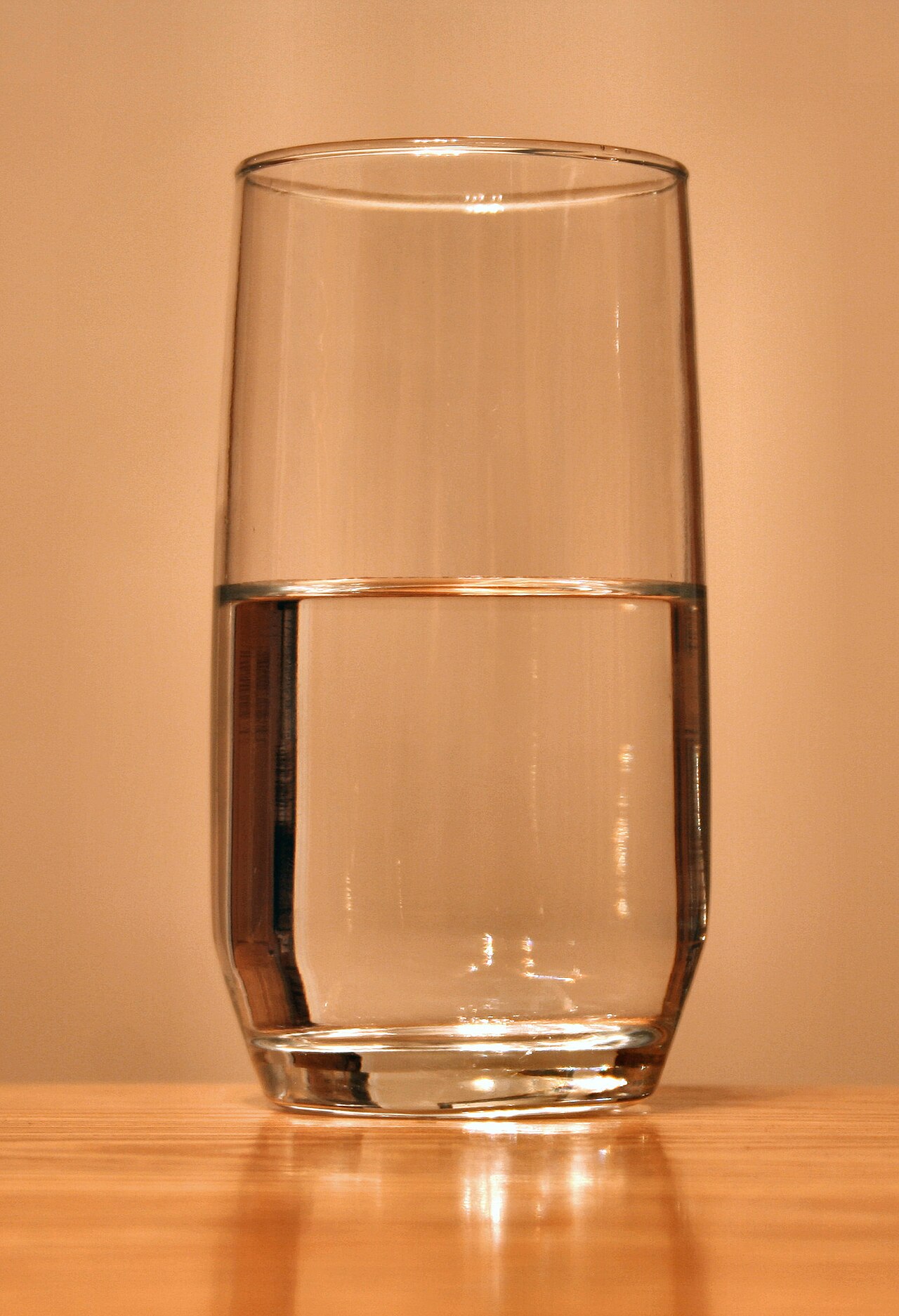
Why water matters, and the best filters and sources for clean hydration.
Water is the most frequent input your body receives. Every metabolic reaction, every transfer of nutrients, every cooling system your body runs depends on it — yet it is the input most people think about least. Most of us drink from whatever tap or bottle is closest, without ever asking what is actually in it or what the alternative would cost.
In the satvic framework, water is where you start, because water carries everything with it: minerals if it is whole, contaminants if it is not. You will drink roughly a liter of it a day, every day, for your entire life. Choosing its source well is one of the smallest daily decisions with the largest cumulative consequences.
Water is the carrier of prana — the life force the traditions locate in the elements themselves. The Ayurvedic daily rhythm (dinacharya) begins with water: a warm glass upon waking to move the night's stagnation, sip not gulp, and the largest meal at midday when agni (digestive fire) burns strongest. The modern science of hydration converges on the same basics — morning rehydration, steady sipping, and water as the substrate of every metabolic reaction your body runs.
What Is Really in Your Water
Municipal tap water is generally safe in the regulatory sense, but "safe" is a low bar. Depending on where you live, it may contain chlorine and its byproducts, trace heavy metals from aging pipes, fluoride (added by many municipalities), microplastics, and — increasingly common — PFAS "forever chemicals" that current standards are still catching up with. None of this is a reason for alarm; it is a reason to look at your local water quality report, which every utility publishes and which tells you exactly what your municipality is finding and failing to find. Independent databases such as the EWG Tap Water Database make the same information searchable by ZIP code, alongside filter recommendations for whatever your system shows.
Bottled water, meanwhile, is not the clean alternative marketing implies. Studies consistently detect microplastics in bottled water from the plastic itself, the bottles carry a significant environmental footprint, and much of it is simply filtered tap water. The exception worth noting: genuinely pure spring water bottled in glass sidesteps both the plastic problem and, often, the tap-water problem entirely.
The Filtration Spectrum
The right filter depends on what your water report says — one filter does not fit every city. The honest framework is a spectrum:
- Carbon filtration removes chlorine, taste, odor, and many organic contaminants, and it is the affordable baseline that most households need. Simple faucet-attached or pitcher units with replaceable cartridges cover this category well, so price and cartridge cost matter more than brand. If your water is already decent, a carbon filter is the highest-value purchase you can make.
- Ion-exchange and RO-type systems remove dissolved solids — the stuff carbon cannot touch. Good units are third-party certified (look for NSF certification), and many include a TDS meter so you can measure the result yourself. If your water is hard, high in total dissolved solids, or you simply want the closest thing to laboratory-grade purity at home, this is the category to look at. Note that removing everything also removes minerals, which is a separate consideration — and that these systems need their filters replaced on schedule, so factor in the running cost.
- Whole-home systems (carbon block or whole-house RO) protect showers and washing from chlorine too, if your budget and plumbing allow.
There is no "best filter" — there is the best filter for your water. Read the report, then buy accordingly. The EPA's overview of drinking water treatment technologies explains the options in plain language if you want to compare them properly.
Spring Water in Glass
For water that is simply complete as it comes from the ground, look to natural spring water. Read the label: you want water drawn and bottled at the source, in glass rather than plastic, so there is no plastic contact and no leaching. Spring water is a premium product at a premium price, so the sensible use is not your whole household supply but the places where filtration is unavailable: the office, travel, and a bedside carafe. Glass bottles can be returned, reused, and refilled, which keeps the habit aligned with a plastic-free life.
The Hydration Protocol
Whatever your source, the habit matters as much as the hardware:
- Start the day with water. A glass within the first hour after waking rehydrates the night's losses and eases the morning. A squeeze of lemon or a tiny pinch of sea salt is optional and pleasant.
- Sip, don't chug. The body absorbs water steadily throughout the day far better than in floods. Keep a glass or bottle within reach and drink when you think of it.
- Thirst before hunger. Mild thirst is routinely misread as hunger. When you feel a craving, drink water first and wait ten minutes.
- Count gentle sources. Herbal teas, soups, and watery foods (cucumber, melon, leafy greens) all count toward hydration.
- Ease off before bed. Wind down drinking an hour or two before sleep so the night is uninterrupted — this pairs naturally with the evening routine in Sleep & Circadian Hygiene.
Integration: Three Steps This Month
- Pull up your local water quality report — or the EWG database — and read it once.
- Match a filter to what it says: a basic carbon filter if your water is decent, a dissolved-solids system such as reverse osmosis if hardness or TDS is high.
- Buy one glass bottle and make it your travel companion.
That is the entire program: know your water, filter it honestly, and carry it clean. The skin of your whole body care routine — explored in Natural Body Care — will thank you, because clear, pure water is the one skincare product no routine can replace.
Audited Baselines
Trustworthy, clinical tools and platforms audited to support an intentional practice.
EWG Tap Water Database
Search your local water system by ZIP code to see which contaminants are of concern — and which filter types remove them.
EPA — Overview of Drinking Water Treatment Technologies
A plain-language rundown of the major home treatment types, from activated carbon to reverse osmosis.
WHO — Drinking-water Fact Sheet
Global facts on drinking-water safety, contaminants, and household treatment options.