Intentional Communities & Cohousing
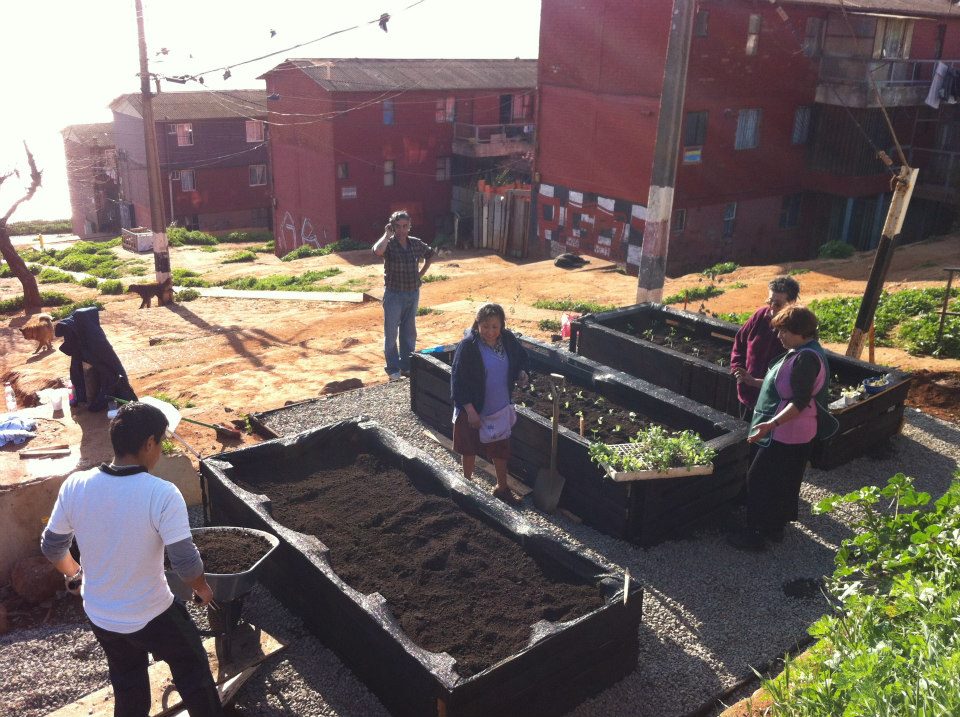
Models of shared living that foster connection and sustainability — from cohousing neighborhoods to ecovillages, and how to find your place.
The modern world has optimized for independence and accidentally produced isolation. We live in private boxes, drive private cars, and maintain private problems — and the loneliness that results is now recognized as a health issue in its own right. Intentional communities are the deliberate correction: groups of people who choose to live near each other, share resources, and build the relationships that used to come free with village life. They range from a few households sharing a garden to whole ecovillages with shared infrastructure, and every model shares one conviction: that connection, cooperation, and mutual care are not a luxury to be added after life is fixed, but a foundation life should be built on.
This is the old ideal of satsang — good company, the deliberate gathering of people who help each other stay truthful, calm, and whole. The traditional ashram and the modern cohousing community are the same instinct in different dress: that a person held by others is steadier than a person holding themselves alone, and that sharing is not subtraction but multiplication — the practical meaning of aparigraha, non-holding, applied to a whole neighbourhood.
The Spectrum of Shared Living
Intentional community is an umbrella covering very different arrangements, and understanding the spectrum matters because the right model depends on how much sharing you want. Cohousing is the most accessible entry point: a neighborhood of private, fully equipped homes clustered around shared spaces — a common house, gardens, tools, and a commitment to eat together regularly. Residents own their homes outright; they share space and time, not income. Ecovillages add an ecological mission: communities designed so that daily life — energy, food, water, waste — closes its own loops, often combining sustainable design with regenerative farming. Income-sharing communities go the furthest: members contribute earnings and share resources as a single household. The spectrum lets you choose your dose of togetherness.
Why It Works
The benefits are not sentimental; they are measurable.
Communities share the expensive, rarely-used things — laundry machines, workshop tools, guest rooms, cars — which is the most direct form of zero-waste living and the reason shared housing costs less per person than solo housing in almost every market. They provide built-in mutual aid: childcare, eldercare, and illness support that in isolated households fall entirely on individuals or expensive services. And they counter the loneliness epidemic directly — the emotional resilience research consistently finds that social connection is one of the strongest protective factors for mental health. A community is not a retreat from the world; it is a support structure for living in it.
The Realities to Face Honestly
Communities fail when people romanticize them, and they succeed when people treat them as real work. The practical realities are worth knowing before you commit.
Decisions take longer, because they are made together — most communities use consensus or consent processes, which are slower and more demanding than unilateral action. Conflict is guaranteed, because proximity without process produces friction; healthy communities invest in facilitation and communication skills, and some train members formally. And the economics are not automatic: cohousing requires capital to develop, and income-sharing communities require members with steady income to share. The Foundation for Intentional Community is the honest gateway here — a directory and knowledge base covering hundreds of communities, their structures, and their real costs, along with practical guides for evaluating and joining one.
How to Find Your Place
For cohousing specifically, the Cohousing Association of the United States maintains the national directory of established and forming communities, with resources on how cohousing works and how to join or start one. Worldwide, the Global Ecovillage Network connects you to ecovillages on every continent, from rural settlements to urban eco-neighborhoods, and offers training in the ecological and social skills communities need. And for the fullest commitment — shared resources and shared values as a way of life — the Federation of Egalitarian Communities represents income-sharing communities that have been practicing deliberate equality for decades. Whichever model speaks to you, visit first, stay longer than a weekend, and talk to the members who have been there through a hard season; communities, like people, are best judged by how they behave when tested.
Integration
Begin with one evening and one evening's homework. This month, find three communities within a day's drive (or within your country) using FIC's directory, and visit at least one — most communities welcome visitors, and many run work-stay or open-house programs that let you experience daily life rather than the tour. In parallel, start the smaller version at home: one shared meal a week with neighbors, one shared tool or garden with a household nearby. Intentional community does not require you to move; it requires you to start practicing the sharing that makes community work, wherever you are, and to let that practice decide how much further you want to go.
Audited Baselines
Trustworthy, clinical tools and platforms audited to support an intentional practice.
Foundation for Intentional Community
The world's largest directory and network for intentional communities of all kinds.
Cohousing Association of the United States
The national resource for cohousing — neighborhoods that combine private homes with shared spaces.
Global Ecovillage Network
A worldwide network of communities integrating ecological, social, and spiritual sustainability.
Federation of Egalitarian Communities
A network of income-sharing intentional communities practicing shared values and shared resources.