Forest Immersion & Nervous System Regulation
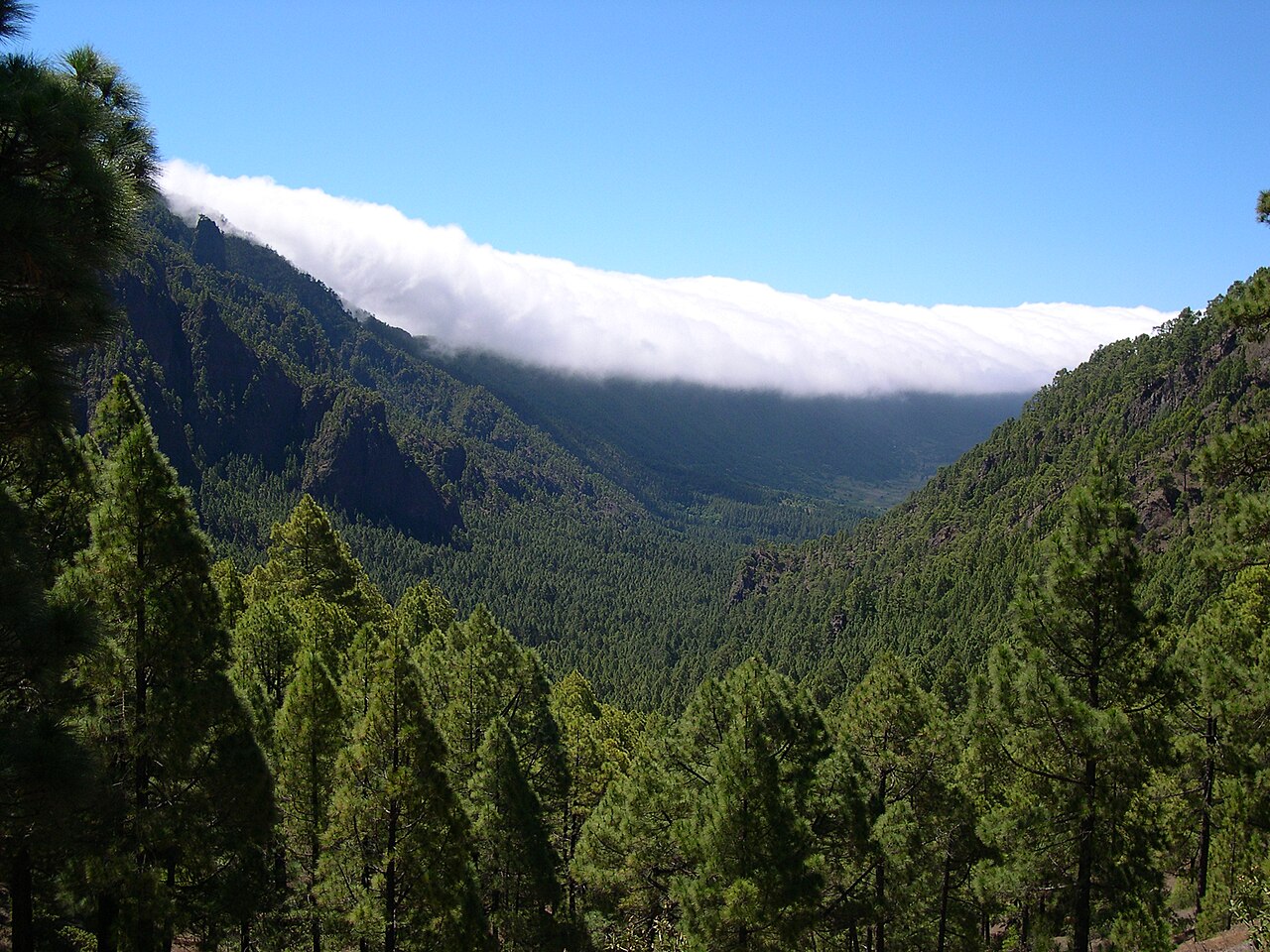
The science of Shinrin-yoku, why two hours a week in the woods measurably calms the nervous system, and how to actually do it.
Your nervous system was built outdoors. For the hundreds of thousands of years that shaped it, every signal it evolved to read — light, sound, air, ground — came from living systems. Today it lives in a room with flat light, mechanical noise, and air that has been filtered, conditioned, and recycled. It is no mystery that the body runs in a low-grade stress state; it is operating on the only signals it has been given.
Forest bathing — the Japanese practice of shinrin-yoku — is not a wellness trend. It is the simple experiment of giving the nervous system its native environment back, and the research on what happens when you do is unusually clean.
Forest bathing is also a returning: the old tradition sent its seekers into the woods precisely because nature is where the mind drops its defences and prana — the life force the tradition locates in air, light, and living things — is densest. The ancient description and the modern measurement describe the same event: the body downshifting from vigilance into rest, in the one environment it was shaped to rest in.
What the Science Measures
Over two decades of studies, much of it conducted by Japan's Forest Agency, have measured what happens during forest immersion. Within minutes, stress hormone (cortisol) levels drop, heart rate slows, and blood pressure falls; the parasympathetic "rest and digest" branch of the nervous system takes over from the sympathetic "fight or flight" branch. Blood samples show a rise in natural killer cells — the immune system's first responders — and the effect lasts for days after the walk ends.
The mechanisms are concrete: phytoncides, the antimicrobial compounds trees release to defend themselves, are absorbed by breathing and measurably boost immune activity. A comparable walk in an urban park produces some of the same effects, but they are consistently smaller and less reliable; the forest is the dose.
Why It Works on Your Nervous System
The body does not distinguish between a physical threat and a mental one — the stress response is the same machinery either way. That is why chronic stress, anxiety, and overload keep the nervous system locked in sympathetic mode: the alarm is always on, and there is no break in the input to turn it off. The forest provides that break.
The visual patterns of leaves and branches are "fractal" — the same self-similar structure at every scale — which the brain processes as calm, low-effort information, unlike the sharp edges and straight lines of a city street. The quiet does the rest. Natural soundscapes are processed as non-threatening; they lower the alert level the way silence in the city never quite does.
How to Practice It (No Special Skills Required)
The Japanese guideline is simple: aim for two hours a week in nature, with no goal other than being there. You do not need to hike, climb, or get your heart rate up — conscious movement is a separate practice. Forest bathing is slower: walk without a destination, stop often, and let the senses lead.
- Leave the phone in the car. A phone in the pocket turns a forest walk into an interrupted walk, and the whole point is an uninterrupted nervous system. This is one of the few places where digital minimalism is not optional — it is the mechanism of the practice.
- Open all five senses. Listen for the layers of sound — wind, water, birdsong at different distances. Look for the light coming through the canopy. Touch bark, soil, and leaf litter. Smell the ground after rain.
- Stop. Sit. Breathe. Ten minutes of sitting still in the woods counts for more than an hour of striding through them. If you have a meditation practice, the forest is its ideal venue.
- Walk at dusk or after rain if you can — the quiet is deeper, and the air carries the strongest phytoncide load.
Why We Stopped Going Outside
The irony is that forest bathing is not a new technique — it is a memory of how humans lived until very recently, formalized into a prescription by a country (Japan) that industrialized faster than its nervous systems could adapt. The physiology is unchanged; the environment is what moved.
Your great-grandparents got their two hours a week as a by-product of ordinary life: walking to work, tending a garden, hanging laundry in the yard. Modern schedules removed the incidental exposure without replacing it with anything, which is why deliberate practice is now necessary. You are not adding an exotic wellness ritual to your week; you are restoring time outdoors that every previous generation simply had.
Finding Your Place
You do not need wilderness — a patch of mature trees in a city park, a riverside, or a cemetery (seriously) all count. Trail-finding apps and sites with user photos and elevation profiles let you choose a route for calm rather than challenge. If you live in a noisy area, noise-mapping projects for several regions help you find the genuinely quiet spots instead of guessing.
Integration
Book the two hours now, in your calendar, as a standing appointment. Twenty minutes is the minimum dose that shows measurable cortisol change, so even a cramped week can manage a lunchtime tree-lined walk. Treat it like a medicine you take weekly — because the evidence says that is exactly what it is: a nervous system regulation practice with a better evidence base than most of what you will find in a pharmacy.
Audited Baselines
Trustworthy, clinical tools and platforms audited to support an intentional practice.