Ethical Clothing & Textiles
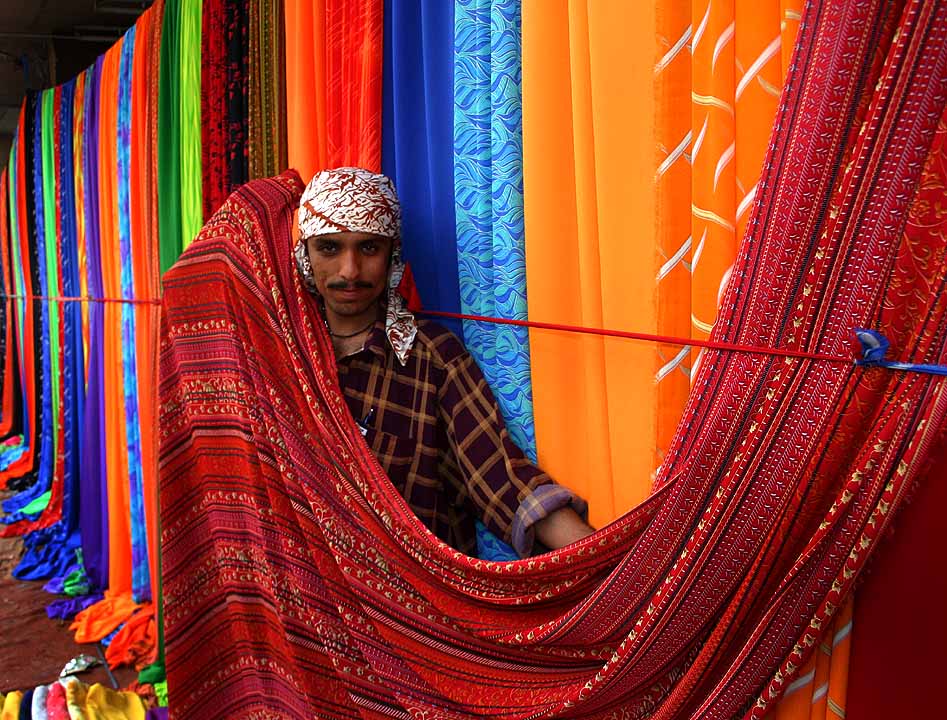
Natural fibers, fair labor, and the 30-wear rule — building a wardrobe that respects people and planet.
The global clothing industry produces over a hundred billion garments a year, and a shocking share of them are worn a handful of times before being discarded. Every one of those garments was grown or synthesized somewhere, sewn by someone, shipped across the world, and then buried or burned. Fast fashion has made clothing cheap in money and expensive in everything else — in the water it pollutes, the chemicals it leaves on your skin, and the labor it underpays. For a satvic life, the closet is not a separate department from ethics; it is one of the most direct statements of your values you make, in public, every time you get dressed.
Clothing is where ahimsa — non-exploitation — meets the body most intimately. A garment that was grown in poisoned soil, sewn by underpaid hands, and shipped across the world carries the cost of that chain on your skin; one made with care carries care. The classical standard of purity — what touches the body should be clean in every sense — turns out to be the modern ethical standard too: natural fibers, fair labor, and honesty about provenance.
What to Look For Before You Look at the Label
Two questions decide whether a garment earns its place. First, the fiber: natural and plant-based fibers — organic cotton, hemp, linen, and responsibly sourced wool — are renewable, biodegradable, and far less chemically loaded than synthetics like polyester, which shed microplastics with every wash. Second, the making: certifications like GOTS (for organic fibers) and Fair Trade or SA8000 (for labor) are the closest thing to an honest handshake, because they are audited, not claimed. A garment that answers both questions well is rare enough that buying it feels like what it is: a considered choice.
How to Tell a Brand That Holds the Line
A handful of companies have built their entire model around these two questions. The most famous names institutionalize repair and reuse — fixing garments for years, reselling used gear, and donating a share of their own sales to environmental causes. Others pioneered fair trade fashion with organic cotton farmers in the global South and have run audited supply chains for over two decades.
Some prove the point from Europe: fully organic, fair trade, and genuinely fashionable rather than "eco" in a way that looks like a compromise. And for the plain basics everyone wears every day, organic and recycled materials at prices that do not require a moral hero to afford.
Rather than take any one name at face value, use the rating resources at the end of this article: Good On You grades brands on people, planet, and animals; Fashion Revolution's transparency index ranks how openly brands publish their supply chains; and Fair Wear audits factories directly. The certifications remain the fastest honest handshake — GOTS for organic fibers, Fair Trade and SA8000 for labor — because they are audited, not claimed.
The Home Textiles You Forget About
The same logic applies to what you do not wear. Bedding, towels, curtains, and upholstery sit against your skin and in your breathing air for eight hours a night — making the fiber choices in a satvic home a health decision, not just an aesthetic one. Organic cotton sheets and hemp or linen curtains are the quiet upgrade nobody sees but your skin notices, and they follow the same body-care principle: what touches you should be clean enough to not need explaining.
A Quick Fiber Field Guide
When you are comparing two otherwise similar garments, the fiber decides most of the difference. Organic cotton is the honest daily staple — soft, breathable, washable, and grown without the pesticide load of conventional cotton. Hemp is the workhorse: sturdy, low-water, and it softens with age. Linen breathes better than anything in summer and gets better with every wash.
Lyocell (often sold as Tencel) is made from wood pulp in a closed-loop process that recycles its solvents — the best of the semi-synthetics. And responsibly sourced wool is the longevity champion: a good wool sweater outlasts a decade of fast-fashion replacements. The rule of thumb is simple — prefer fibers you could name to a farmer, and treat virgin synthetics, which shed microplastics and are made from petroleum, as the exception rather than the default.
The 30-Wear Rule
The movement that keeps the whole industry honest is Fashion Revolution — the global campaign behind "Who Made My Clothes?", which every April asks brands to publish who actually sewed your garments. One public question a year applies more pressure to the supply chain than any label claim, because it turns the industry's opacity into a reputational risk.
The most effective filter, though, is not a certification or a campaign; it is a question: will I wear this thirty times? Fast fashion exists because the honest answer is often no — the item is bought for the occasion, the impulse, or the trend. Run every purchase through the 30-wear rule and the wardrobe shrinks, the pieces that remain get better, and the budget stretches. That is also where zero-waste living and ethical clothing converge: the best garment for the planet is the one you already own, worn well, and repaired instead of replaced.
Integration
This month, buy nothing new — mend one garment instead, and take one item you no longer wear to a textile recycling point or a secondhand shop. Next month, when you do buy, apply the 30-wear rule and choose one brand from the list above. The closet is not where you make a statement; it is where you stop making compromises. And when the time comes to care for what you own, gentle laundry is the final act of respect — the fiber you chose deserves to be washed like it is meant to last.
Audited Baselines
Trustworthy, clinical tools and platforms audited to support an intentional practice.
Good On You
Independent ratings of thousands of fashion brands on people, planet, and animals.
Fashion Revolution
The global movement campaigning for transparency — behind the 'Who Made My Clothes?' campaign.
Fair Wear Foundation
Membership organisation that audits garment factories for fair labour conditions.