Animal & Ecological Ethics
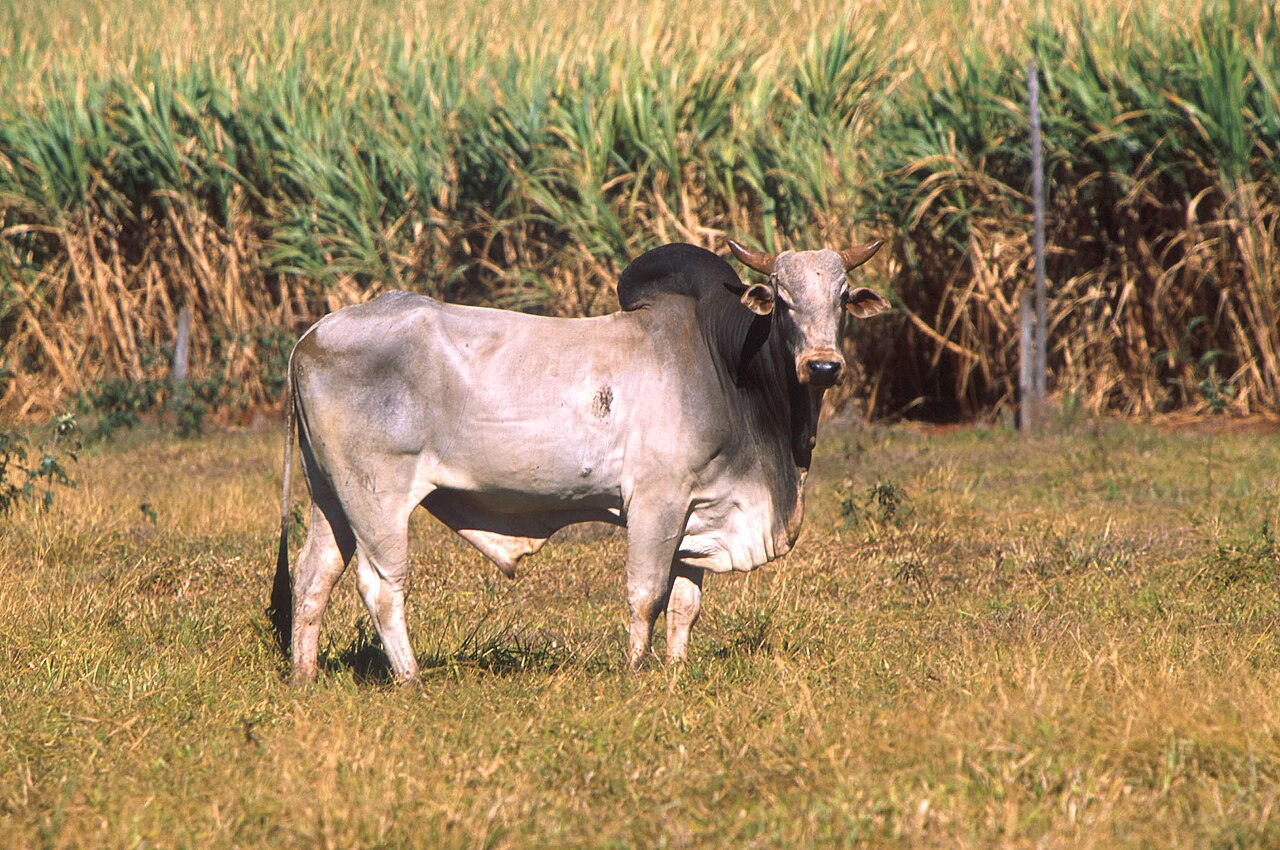
What the evidence says about animal suffering, biodiversity, and conservation — and where your choices actually make a difference.
Satvic living has a quiet, ancient core: cause no harm. In the Buddhist and Jain traditions that shaped the concept, that instruction was always read broadly — harm to animals counts, harm to the systems they live in counts, and the scale of the harm you cause matters whether or not you witness it. This is not a sentimental position.
The science of the last century has made it almost impossible to look away: sentience is not a human monopoly, animal agriculture is one of the largest drivers of habitat destruction on the planet, and the web of life that feeds us is fraying in measurable, documented ways. Ethical treatment of animals is therefore not a separate cause you support — it is a description of how a consistent, non-violent life actually works.
This is ahimsa — non-harming — the first vow of the yogic tradition and the quiet foundation beneath every practice in a satvic life. The classical texts went further than sentiment: they classified food by its effect on the mind, holding that what is obtained through violence carries the violence into the eater. Modern nutritional science, from its own direction, reaches a compatible point: the whole-food, plant-forward pattern that minimizes harm is also the one most consistently linked to clear arteries, stable mood, and steady energy.
What the Science Actually Shows
The first fact to sit with: the evidence for animal sentience — the capacity to suffer — is now overwhelming. Cognitive science has documented pain, fear, social bonding, and even grief in species ranging from octopuses to chickens, and the philosophical question has quietly become the biological one. If we accept that suffering matters morally, then the scale of it becomes the issue: the overwhelming majority of animals who live and die in contact with humans never see a pasture.
They live out their lives indoors, in systems designed around efficiency rather than their interests, and their experience is not what the word "farming" evokes. The humane label on a package is not evidence; the system is the issue, and the system is hidden from view by design.
Where Your Choices Matter Most
The uncomfortable arithmetic of animal ethics is that individual acts of kindness to visible animals — the dog, the bird in the garden — matter less than the aggregate choices that fund whole industries. The single largest lever you personally hold is the plate: the number of animals affected by a plant-based diet is measured in hundreds per year, per person, and the reduction in demand is what actually changes farming systems over time. It is also the most reliable way to keep your eating consistent — the food that causes the least harm is, with rare exceptions, also the food whose quality you can verify. The second lever is the wallet: every purchase of leather, wool, down, and cosmetics tested on animals votes for an industry.
The alternatives are better than ever, and the clothing and textiles guide walks through which materials you can trust and which are marketing.
Giving That Actually Helps
Because the problems are enormous and your resources are finite, the ethics of giving turn out to matter as much as the ethics of consuming. This is where Animal Charity Evaluators is indispensable: it is the independent research organization that assesses animal-welfare charities by their outcomes — how much suffering is actually reduced per dollar — rather than by their marketing. Their top-rated charities work on the large-scale levers: corporate cage-free commitments, farmed-animal welfare reform, and legal protection for animals. If you donate to animals, this is the standard to route through; a dollar routed through evidence-based giving does more than ten dollars of good intentions.
Conservation is the other half of the ledger — not just the treatment of individual animals but the survival of species and habitats. The Jane Goodall Institute is the model of conservation done right: Dr. Goodall's six decades of research and community-based programs protect chimpanzees and their forests by supporting the human communities around them, which is the only approach that survives contact with reality. For the ocean, Sea Shepherd takes the direct-action route — intervening physically against illegal whaling, poaching, and the destruction of marine habitat. Whether your temperament favors the careful research or the direct intervention, both belong to the same tradition: taking responsibility for harm you can prevent, at whatever scale you can act.
The Everyday Ethics of Living Systems
None of this requires heroism, and that is the point. The everyday version is made of small, compounding decisions: choose plant-based meals as the default rather than the exception; buy plastic-free and zero-waste where you can — the plastic choking the ocean is the same throwaway culture that is degrading the soil — because land, sea, and the systems between them are one fabric. When you garden, garden for the insects and birds too. When you hike, give wildlife room and watch from a distance.
The ecological version of the golden rule is not complicated: every creature you will never meet is still affected by your choices, and the choices that shrink your footprint shrink your harm.
Integration
Make one switch this month and make one gift this year. The switch: pick the single animal product you use most — often leather, eggs, or dairy — and find the alternative you can live with permanently. The gift: set aside a small amount, and route it through Animal Charity Evaluators' recommended list rather than the first charity that asks. Neither act will feel dramatic, and both are exactly how every large moral shift in history has actually happened: one person, one honest choice, repeated until it becomes the culture.
Audited Baselines
Trustworthy, clinical tools and platforms audited to support an intentional practice.