The Twelve-Step Movement: The Mother of Mutual Aid
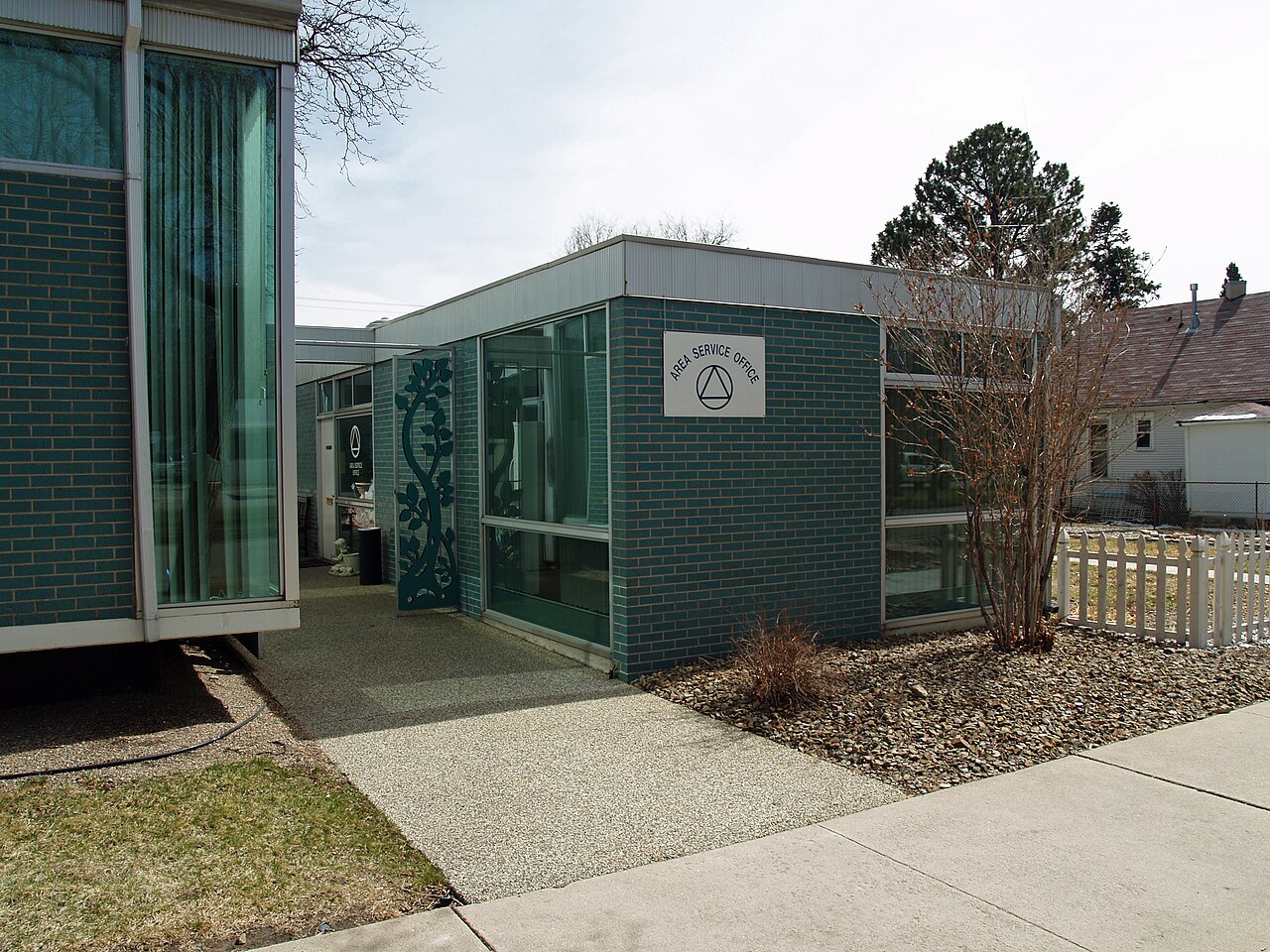
Alcoholics Anonymous began with two men in an Akron kitchen in 1935 and grew into the mother of modern mutual aid — a family of fellowships spanning 180 countries. The history, the method, the evidence, and the honest debate.
On any given night, in church basements and community halls in almost every country on earth, a particular phrase is repeated: "My name is… and I'm an alcoholic." Say it out loud to a room of strangers, and you have entered the meeting culture that changed how the world treats addiction — and quietly invented modern mutual aid. The movement behind that phrase began with two men in 1935, and it has since become the mother of a whole family of fellowships, each one built on the same discovery: people helping people, free, anonymous, and accountable — a model that quietly made mutual aid a global template for recovery.
Two Men in Akron, 1935
In June 1935, Bill Wilson, a New York stockbroker, and Dr. Bob Smith, an Akron surgeon, sat down together in Akron, Ohio. Both were chronic alcoholics — Dr. Bob had just taken his last drink. Neither was a healer.
They were patients who decided to help each other, and then to help others do the same, working first with patients in an Akron hospital and forming the original group around a single early success.
From that fragile beginning grew a method: alcoholics talking to alcoholics, one on one and in rooms, with no fees, no professionals, and no doctrine beyond shared experience. The foundational text, the Big Book, appeared in 1939, and with it the twelve steps — the framework that turned a friendship into a reproducible program. The step from the friend to the fellowship is the step from private struggle to shared practice — the oldest form of satsang, good company, in modern dress: people kept honest and whole by each other's presence rather than by any authority.
The Method: Steps, Traditions, and the Meeting
The twelve steps are a sequence of honest actions rather than a creed: admit the problem, take a searching moral inventory, make amends where harm was done, and maintain a connection with a "higher power of one's own understanding" — which the literature explicitly allows to be secular, from the group itself to nature. Millions of agnostics and atheists work the steps without adopting any religious belief.
Around the steps, the twelve traditions guard the culture: anonymity as the spiritual foundation, "principles before personalities," no dues, no outside funding, no professional leadership, no endorsement of outside causes. The meeting itself is the core technology — free, peer-led, and self-supporting through member contributions — and its rituals are deliberately ordinary: sharing, sponsorship, and the quiet counting of sober days.
The Mother of Fellowships
AA's real invention is not recovery; it is mutual aid as a template. Every subsequent fellowship is its child: Al-Anon for family and friends (1951), Narcotics Anonymous (1953), Gamblers Anonymous (1957), Overeaters Anonymous (1960), and dozens more, from adult children of alcoholics to debtors. Today the family spans roughly 180 countries, nearly two million members, and more than 120,000 registered groups. And the model has been borrowed far beyond addiction: peer-support and support-group movements in most fields can trace their structure back to that Akron kitchen.
The Evidence and the Debate
The science is better than its reputation. The 2020 Cochrane review — the gold standard of systematic reviews, covering 27 trials and more than 10,000 participants — found that Alcoholics Anonymous and twelve-step facilitation achieve abstinence as well as or better than other clinical interventions such as cognitive-behavioural therapy. The honest caveats are real too: anonymity means no central records and heavy self-selection, so outcome data is weaker than for clinical trials, and the spiritual framing genuinely alienates some people — which is why secular alternatives such as SMART Recovery, LifeRing, and Women for Sobriety exist and work. Court-mandated attendance has been successfully challenged where it veers into enforced religiosity.
The meeting model is one of the most effective and least expensive supports in all of mental health, and it is not the only path. The "powerlessness" of the first step reads to critics as defeat; to its defenders, including millions of non-religious members, it is plain honesty about a chronic condition — the prerequisite for the humility the rest of the steps build on. The movement's disciplines — honest inventory, making amends, community accountability — are the same disciplines the mental hygiene guide teaches for the emotions in general, and its oldest tool is self-inquiry.
Integration
If addiction touches your life, do one concrete thing this week: attend an open meeting — Alcoholics Anonymous and its sibling fellowships welcome newcomers with no obligation to speak or stay — or, if the spiritual framing is not for you, book a free session with SMART Recovery. Talk to a doctor about medical options as well, because the movement itself insists it is not the whole answer. And take from the mother of mutual aid what everyone can use, addiction or not: a place where you are known by first name, a practice of honest self-examination, and a commitment to show up for others — the oldest recovery technology there is, and still the cheapest.
Audited Baselines
Trustworthy, clinical tools and platforms audited to support an intentional practice.
Alcoholics Anonymous
The mother fellowship: meetings worldwide, the Big Book, and the 12 Steps.
SMART Recovery
The leading science-based, non-spiritual alternative — cognitive-behavioural tools for addiction and habits.
Al-Anon Family Groups
The first child of AA — the fellowship for family and friends of alcoholics.