Mindfulness in Daily Life
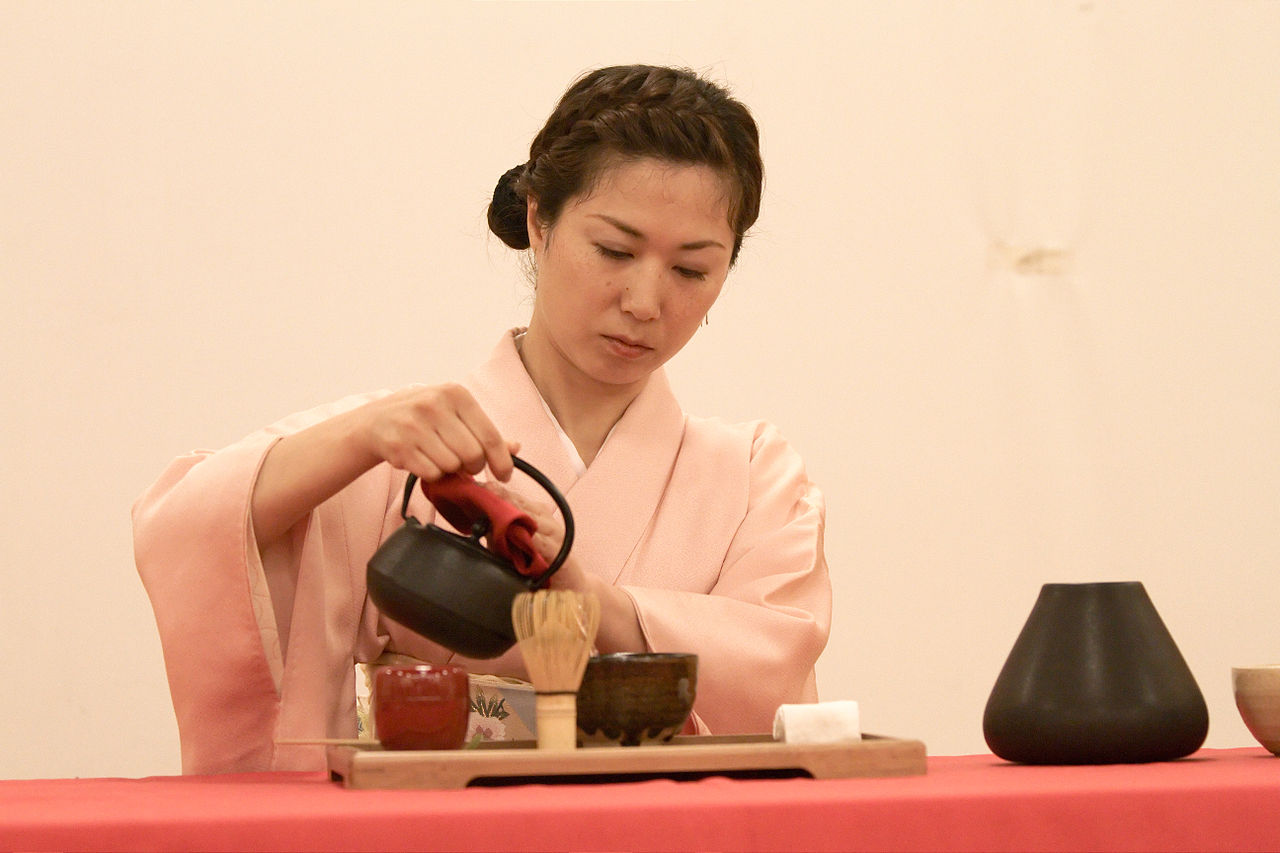
The art of staying present between formal sittings — micro-practices that turn ordinary moments into reset points.
Sitting meditation is the gym. Daily life is where the strength gets used. The clearest test of a mindfulness practice is not how calm you feel on the cushion — it is what happens in the forty-five seconds after you stand up, when the phone lights up, the kettle boils, and a memory of something your colleague said slides back into the foreground. A practice that only exists on the cushion is like a runner who trains and never races.
Mindfulness in daily life is seeing things as they are — including your own habits — instead of through the fog of automatic reaction. And you already have hundreds of opportunities a day to practice. You have simply been walking past them.
This is the classical smriti — the steady remembrance the tradition trained as the doorway to a settled mind — carried out of the meditation hall and into the kitchen, the corridor, the conversation. The satvic insight is that the ordinary is not the obstacle to practice; it is the practice. Every unremarkable moment you meet with full attention is a moment of the mind returning to its own quiet centre.
How the Mind Slips Away
In ordinary waking life, the mind spends much of its time in what neuroscientists call the default mode network: a background chatter of planning, rehearsing, regretting, and comparing. It is not neutral. This is the mind that replays the argument, pre-empts tomorrow, and then wonders why it feels tired. The practice is to notice the chatter and step out of it — not by suppressing it, but by dropping your attention into the present moment through the senses, which are always switched on.
Three Anchors for Ordinary Hours
You do not need a special setting to practice. You need anchors — recurring moments you have decided, in advance, to treat as checkpoints.
The first sip. The first sip of any drink — coffee, tea, water — is a ready-made meditation: taste, temperature, aroma, the sensation of swallowing. Decide that the first sip of your morning drink is always taken with full attention. That is one honest minute of presence before the day begins.
The door handle. Every time your hand touches a door handle, pause for one breath before continuing. This is a two-second reminder that you are moving through the world, not being moved by it. It is also the perfect counter to the hallway half-walk, the one where your body is in the corridor but your mind is already in the next room.
The sink. Washing dishes or brushing teeth while fully feeling the water and the movement turns a chore into a practice. When you catch yourself planning during the rinse, come back — to the water, to the motion. The coming back is the practice.
The Pause Before the Reply
The most consequential practice of all happens in the space between stimulus and response — the half-second before you answer a message, a question, or a criticism. When you feel the body react (heat, tightness, the urge to interrupt), take one breath before responding. Then name what is happening in a word: annoyance, fear, excitement. Research on affect labeling shows that naming an emotion measurably quiets the brain's alarm response — the mind cannot fully observe and be captured at the same time.
Tools That Ring the Bell
Because remembering to be mindful is itself the hard part, a gentle external nudge helps. Bells and guided practices from Thich Nhat Hanh's community offer the reminder tradition that gave us the phrase "mindfulness in daily life"; free, neuroscience-backed programs built by university research centers treat attention, connection, and insight as trainable skills rather than vague goals; and nonprofit programs for every age make it easy to bring the whole household along. For essays and research you can actually read, Mindful has covered the science and practice of everyday mindfulness for well over a decade, and the UC Berkeley Greater Good Science Center publishes free, science-based practices. Every one of these tools descends from a single movement with a single founder — the mindfulness movement that grew from one 1979 clinic into the evidence-backed practice behind them; its profile tells the story and the honest critique.
Making Room by Removing Noise
One honest limitation: you cannot practice presence in a space engineered for absence. If the phone lights up and buzzes every ninety seconds, your attention will be won and lost before you can even notice. Removing the noise is not a distraction from this practice — it is a precondition of it.
The digital minimalism guide covers how to do that, and the attention & focus article shows how the same single-tasking skill you train on the cushion transfers to work. The anchors above are where presence starts; the environment is what protects it.
Integration
For the next seven days, commit to three anchors: the first sip of your morning drink, every door handle you touch, and one full sink of dishes — all with complete attention, and all with a gentle return when you wander. Add one pause-before-reply per day, the moment you feel your body react to something. That is a practice that fits inside a normal life — and it is the one that will quietly change the life itself.
Audited Baselines
Trustworthy, clinical tools and platforms audited to support an intentional practice.