Oral & Dental Health
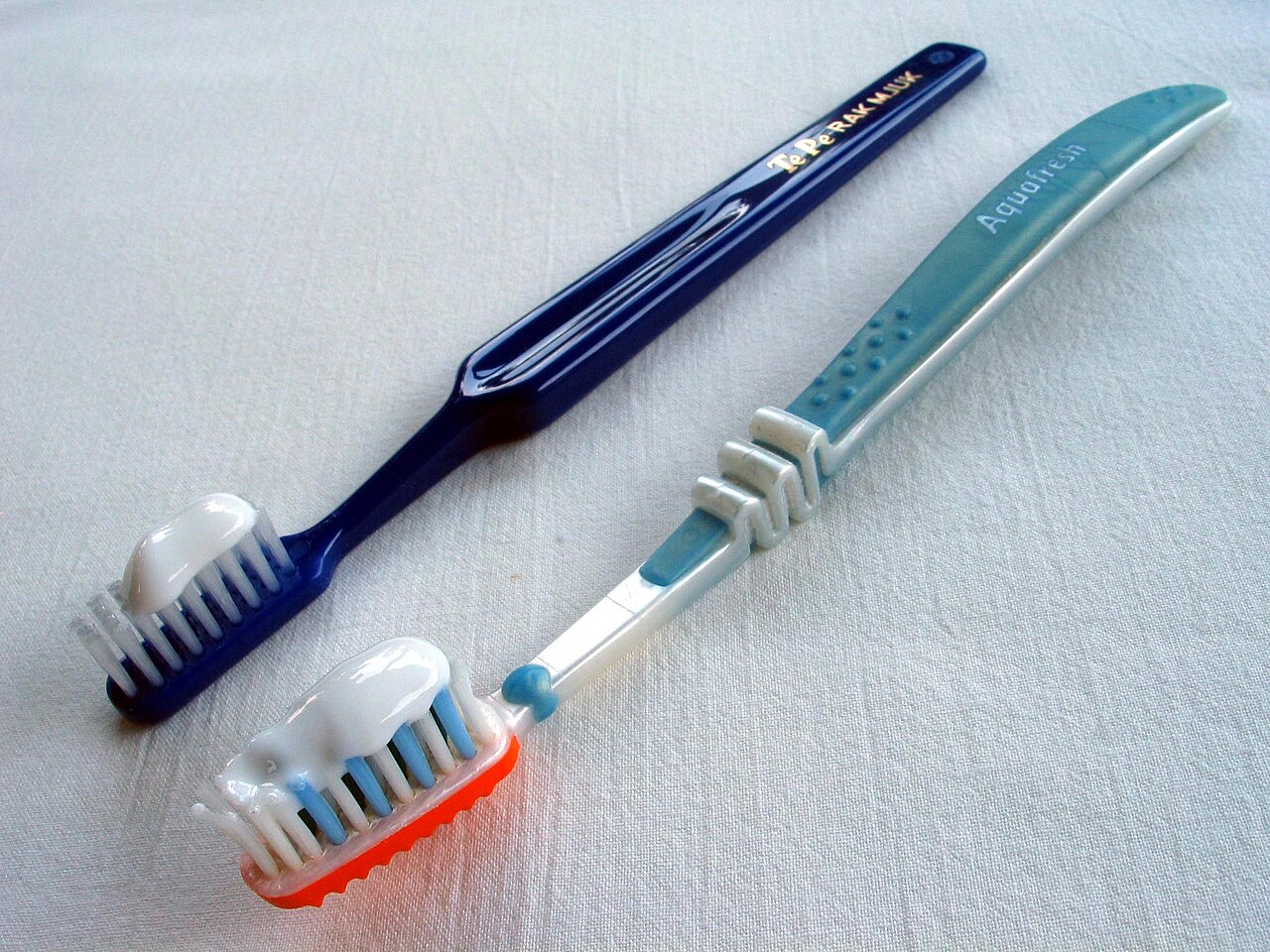
Fluoride-free toothpastes, oil pulling, and holistic dentistry.
The mouth is the gateway to the body in a very literal sense: small amounts of whatever you brush, rinse, and swallow enter your digestive system daily, and the state of your oral microbiome influences far more than your teeth. Poor oral health is now consistently linked to cardiovascular disease, cognitive decline, and systemic inflammation. Toothpaste, the most intimate product you will use today, deserves the same ingredient scrutiny you give your food.
The natural oral care movement is growing for good reasons — plastic-free packaging, cleaner ingredients, and a gentler relationship with the body. But it also collides with one of the most settled debates in public health, so the honest starting point is a clear-headed look at fluoride.
The Fluoride Question, Honestly
The evidence is genuinely strong that fluoride at appropriate concentrations reduces cavities — community water fluoridation is considered one of the great public health achievements of the twentieth century, and the CDC and WHO both endorse it. It is worth being precise about how it works, because the claims against it are often as unreliable as the hype for it. Fluoride does not build a barrier that seals the tooth or traps bacteria. It changes the enamel's chemistry: when acid attacks the tooth, fluoride ions help the enamel re-form as fluorapatite — a harder, more acid‑resistant crystal — which is precisely why decay becomes less likely. In other words, fluoride assists remineralisation rather than blocking it, and there is no evidence that normal use weakens teeth or that teeth "forget" how to repair themselves in its absence.
What the legitimate questions are about is total exposure. Fluoride now appears in tap water, most conventional toothpastes, and many processed foods and beverages, and the cumulative load — especially for children, who swallow toothpaste, and people in fluoridated areas — is the real concern. A 2024 review by the U.S. National Toxicology Program found an association between very high fluoride exposure and lower childhood IQ; the evidence at normal fluoridation levels is still being argued. This is a genuine value judgment, and it is your call.
But the deeper point — and the satvic one — is that fluoride treats the symptom, not the cause. Cavities are not a fluoride deficiency; they are the result of sugar and refined carbohydrates feeding acid‑producing bacteria. No tube of anything, fluoridated or not, can outwork a diet of sweets and processed food. The only real fix is the whole‑foods diet: whole grains, legumes, vegetables, and fruit, with sugar and refined starches cut to a fraction of the modern norm. That is not a quick fix — it is the patient, structural change that makes every oral‑care product merely optional. If you choose fluoride‑free toothpaste, you take on extra responsibility elsewhere: meticulous brushing technique, daily flossing, and — above all — keeping dietary sugar low. That trade is an informed choice made with open eyes, not a marketing panic.
Oil Pulling: The Ancient Adjunct
Oil pulling — swishing a tablespoon of oil (traditionally sesame, increasingly coconut) around the mouth for ten to twenty minutes on an empty stomach — is an old Ayurvedic practice with modest but real modern evidence. Studies report reduced plaque and gingivitis, and many people notice fresher breath and whiter teeth. What the evidence does not support is the grander claims of "detoxification" — treat it as a pleasant, effective oral hygiene adjunct, not a medical procedure. Do it while showering or making breakfast, and never let it replace brushing.
Oil pulling is one small station in dinacharya, the Ayurvedic morning rhythm — wake before sunrise, scrape the tongue, pull the oil, drink warm water — and it is a fine example of the tradition's method: simple, repeatable, aligned with the body's own cycles, and now partly confirmed by modern dentistry. The same rhythm treats the mouth as part of the whole day's hygiene rather than an afterthought, which is exactly how the satvic approach treats every body system.
Clean Toothpaste, Without the Tube
The plastic toothpaste tube is a perfect example of waste we stopped noticing. The two formats worth knowing:
Zero-waste toothpaste — in recyclable jars and as chewable tablets, with mouthwash in tablet form and oil pulling ranges built around organic sesame and coconut oils — is now a mature category. Formulas are typically fluoride-free, SLS-free, and built around mineral and herbal ingredients, and the tablets are ideal for travel.
The other standout format is toothpaste "bits" — tiny chewable tablets that foam into paste — shipped in a refillable glass jar with refills in compostable pouches. Standard formulas are fluoride-free; many makers also offer a nano-hydroxyapatite version for people who want a scientifically supported enamel-building alternative to fluoride without the fluoride itself. Nano-hydroxyapatite is worth knowing about: it is the bioactive form of tooth enamel, backed by real research, and increasingly the natural-health choice.
The Brush and the Technique
For the brush itself, bamboo toothbrushes with soft bristles are now widely available from many makers, and several fund dental care for children in need with every purchase — a small, concrete good working through an everyday object. Whatever brush you choose, the technique matters more than the brand:
- Brush for two full minutes, twice a day, with soft bristles.
- Floss daily — this single habit does more for gum health than any toothpaste.
- Add a tongue scraper (copper or stainless steel) to your morning routine; it removes the bacterial film responsible for much morning breath.
- Replace your brush every three months, bamboo or not.
Holistic Dentistry
If you are making these choices at home, it is worth finding a dentist who shares the philosophy. Holistic or biological dentists consider nutrition, sleep, and airway alongside teeth; many use mercury-free materials and offer minimally invasive treatment. The International Academy of Oral Medicine and Toxicology maintains practitioner directories, and any dentist worth staying with will happily discuss your fluoride-free choice rather than dismiss it.
Integration: One Tube-Cycle at a Time
Finish your current tube, then make one swap: a zero-waste toothpaste jar or a jar of toothpaste bits for your next tube, a bamboo brush, and a copper tongue scraper. Add oil pulling two or three mornings a week. None of this is dramatic — it is a quiet, incremental purification of the one routine you repeat every day of your life, alongside the rest of Natural Body Care. Your mouth will feel cleaner, your bathroom will produce less waste, and you will have made the fluoride decision consciously rather than by default.
Audited Baselines
Trustworthy, clinical tools and platforms audited to support an intentional practice.
EWG Skin Deep
Searchable database that grades toothpastes and oral-care ingredients for hazards.
NIDCR — Oral Hygiene
The U.S. National Institute of Dental and Craniofacial Research's plain-language oral health guidance.
Oral Health Foundation
Independent dental charity with evidence-based advice on brushing, fluoride, and prevention.